Palletizing solutions – Automating your production line

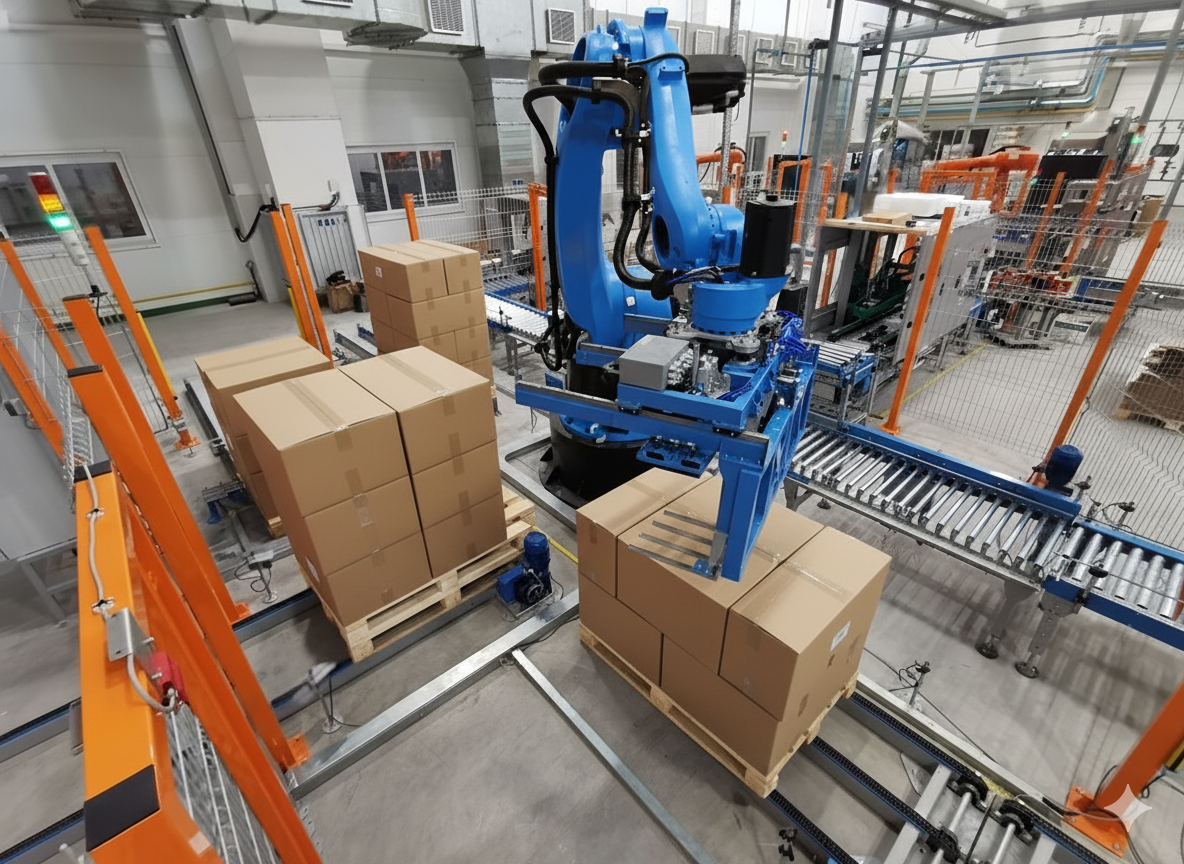
In today’s fast-growing manufacturing environment, IDEA delivers comprehensive automated palletizing solutions to help businesses maximize productivity, reduce labor costs, and ensure consistency in packaging and shipping. Our systems are designed to integrate seamlessly into existing packaging lines and adapt to multiple industries.
Palletizing solutions – Automating your production line

Challenges in manual palletizing

HIGH LABOR COSTS & SAFETY RISKS

Manual palletizing typically requires 2–3 workers per line, working continuously to meet shipping deadlines. This repetitive heavy lifting increases the risk of workplace injuries and long-term health issues.

LACK OF CONSISTENCY IN PACKAGING

Hand-stacked pallets often suffer from misalignment, uneven stacking heights, and inconsistent product orientation. These issues result in tilted pallets that are difficult and unsafe to handle with forklifts, increase the risk of product damage during storage and transportation, and reduce the overall aesthetic quality and perceived reliability of deliveries.

SCALING PRODUCTION IS DIFFICULT

When order volumes rise, adding more workers is not a sustainable solution due to: Labor shortages; Limited floor space; Increased operational costs

Idea’s automated palletizing solutions

With over 15 years of experience in industrial automation, IDEA provides flexible robotic palletizing solutions for bags, cartons, trays, bottles, and other packaged products. Our systems ensure accurate, stable stacking while increasing throughput, reducing labor dependency, and minimizing product damage. Designed for easy integration and long-term reliability, IDEA’s palletizing solutions help manufacturers improve efficiency and delivery quality.
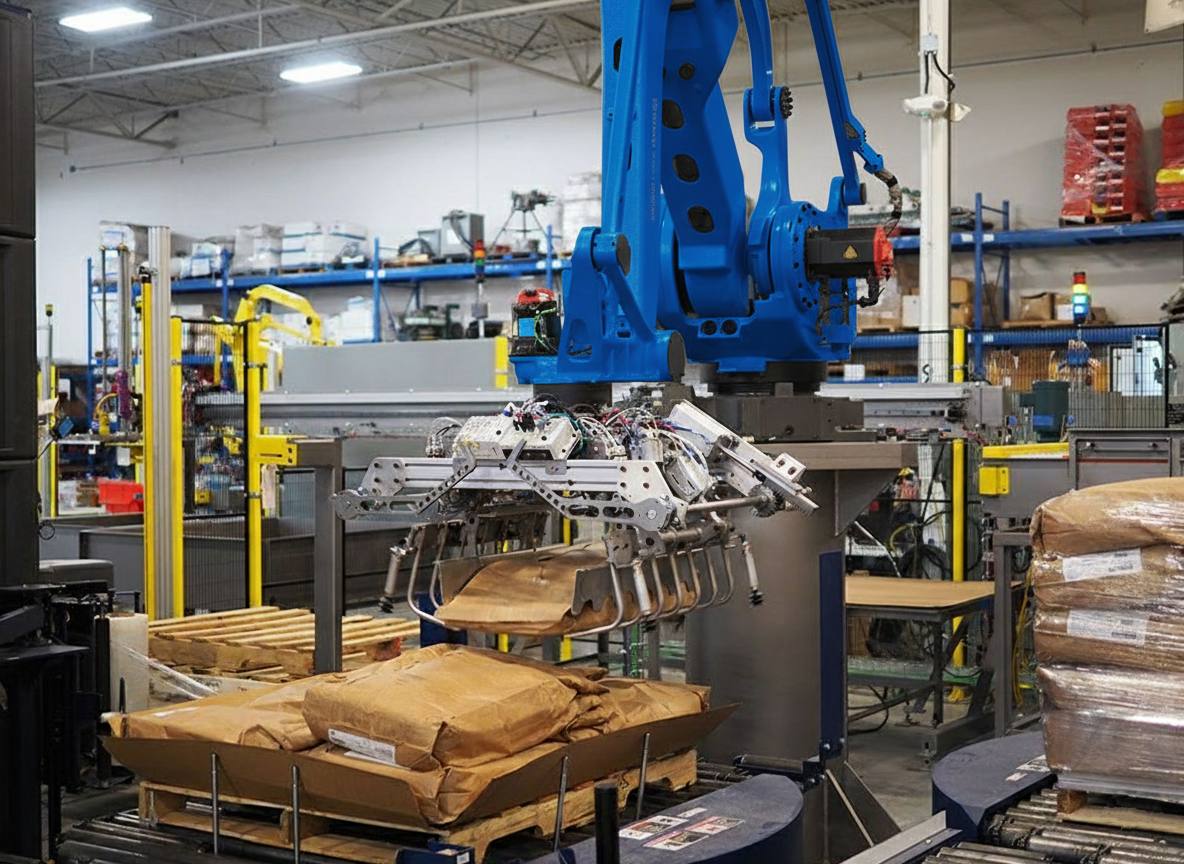
Robotic palletizing

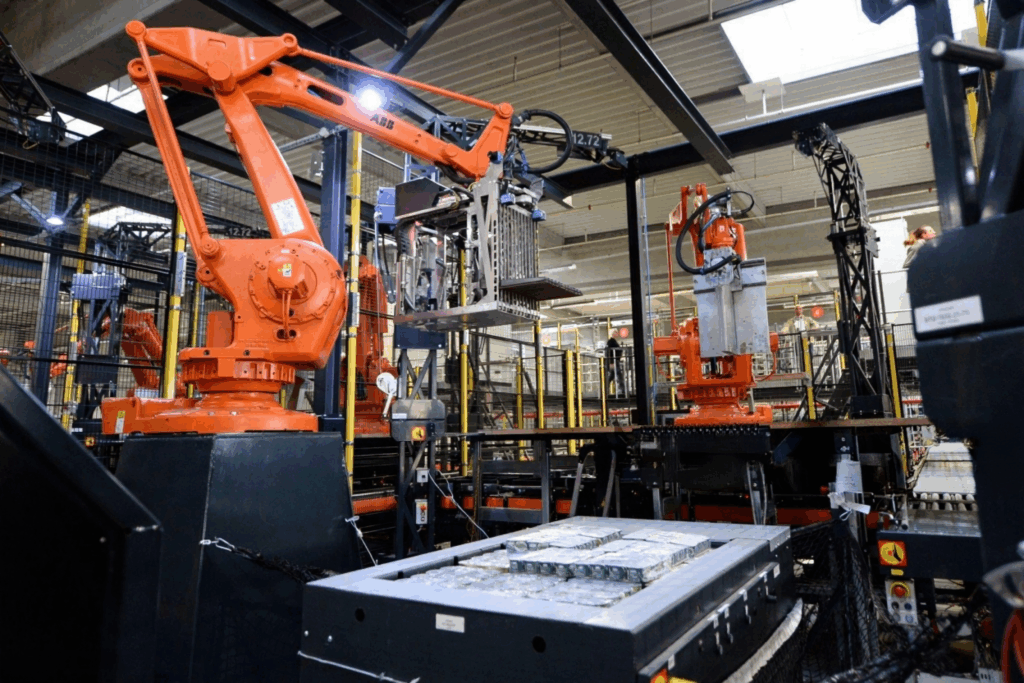
Robotic palletizing is an advanced automation solution designed to stack products onto pallets with high accuracy, consistency, and efficiency. By replacing manual palletizing, robotic systems eliminate common issues such as uneven stacks, misalignment, product damage, and labor dependency. IDEA’s robotic palletizing solutions are engineered to operate reliably in demanding industrial environments, handling a wide variety […]
Learn More

Layer palletizing

Layer palletizing is a high-speed and cost-effective palletizing solution designed to handle products in complete layers rather than individual items. This technology is especially suitable for high-volume, uniform products such as cartons, bags, shrink-wrapped packages, and trays. IDEA’s layer palletizing systems are engineered to deliver stable, perfectly aligned pallets with consistent height and layer integrity. […]
Learn More

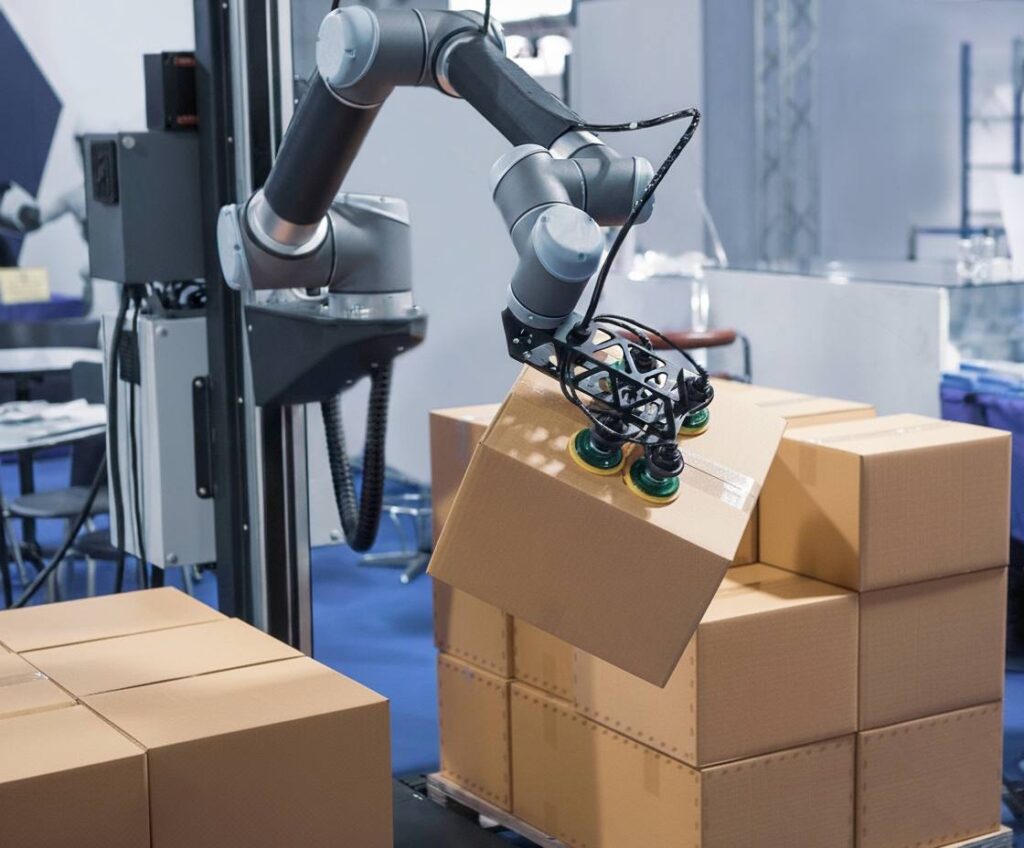
Cobot palletizing

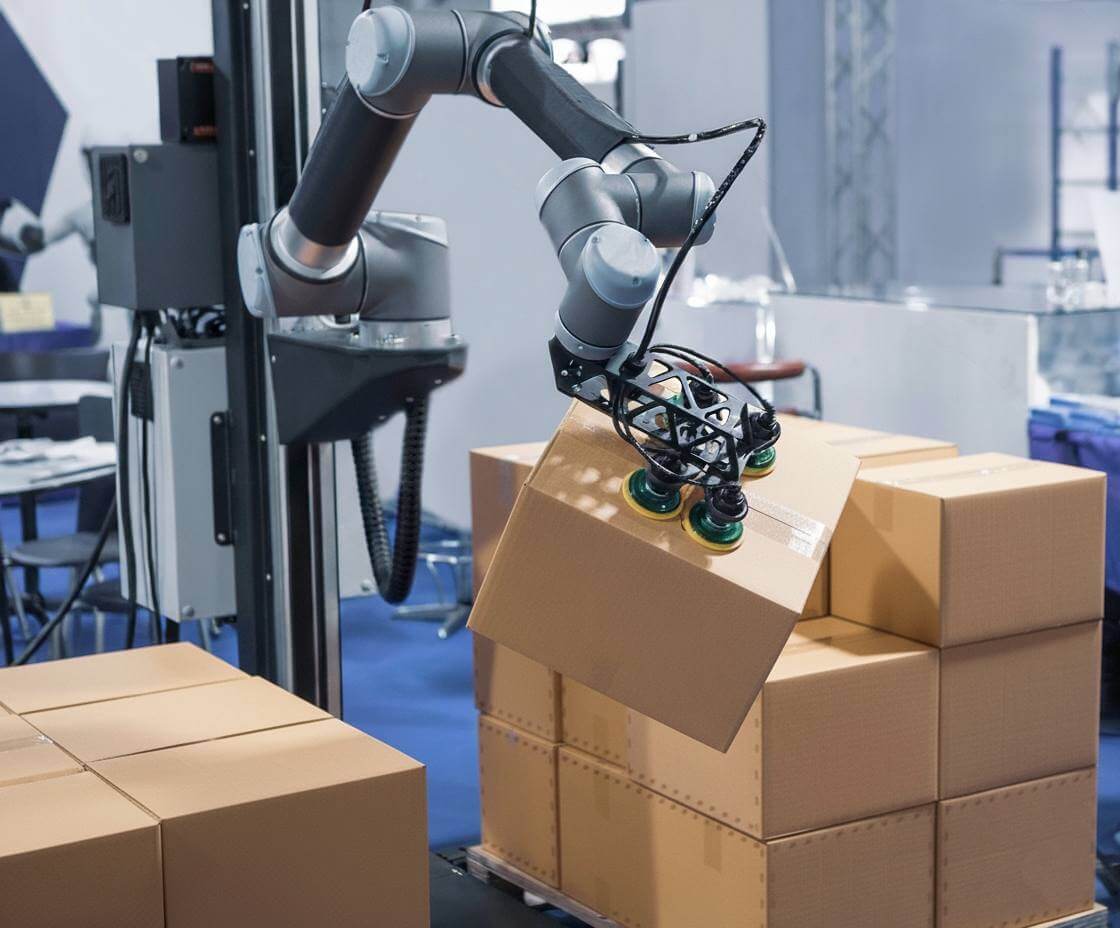
Cobot palletizing is a flexible and space-saving automation solution designed for low to medium throughput palletizing applications where human-robot collaboration is required. Unlike traditional industrial robots, collaborative robots are equipped with advanced safety features that allow them to operate alongside workers without extensive safety fencing. IDEA’s cobot palletizing systems are ideal for manufacturers seeking a […]
Learn More

What our palletizing systems can handle

Our solutions are designed to handle a wide range of products, including cartons; bags such as rice, cement, fertilizer, and powdered materials; water crates; plastic and thermoformed trays; paint buckets; jerry cans; electronic components; shrink-wrapped packages; and bottled or bagged goods. Each product type is matched with a custom-designed End-of-Arm Tooling (EOAT) to ensure precise handling, product safety, and stable palletizing performance.

What our palletizing systems can handle Our solutions are designed to handle a wide range of products, including cartons; bags such as rice, cement, fertilizer, and powdered materials; water crates; plastic and thermoformed trays; paint buckets; jerry cans; electronic components; shrink-wrapped packages; and bottled or bagged goods. Each product type is matched with a custom-designed End-of-Arm Tooling (EOAT) to ensure precise handling, product safety, and stable palletizing performance.

Important information

Palletizing methods & robot types

Depending on your product characteristics and production line requirements, IDEA offers a wide range of palletizing solutions, including 6-axis, 4-axis, and 3-axis industrial robots, gantry robots, layer palletizing systems, and collaborative robots (cobots). This flexible portfolio allows us to select and configure the most suitable technology to achieve optimal performance, efficiency, and safety for each specific application.

Depending on your product characteristics and production line requirements, IDEA offers a wide range of palletizing solutions, including 6-axis, 4-axis, and 3-axis industrial robots, gantry robots, layer palletizing systems, and collaborative robots (cobots). This flexible portfolio allows us to select and configure the most suitable technology to achieve optimal performance, efficiency, and safety for each specific application.

Performance speed


Robotic palletizing 8–15 cycles/min
Layer palletizing 15–20 layers/min
Cobot palletizing 3–7 cycles/min

*Systems can be scaled with multiple robots for higher throughput.

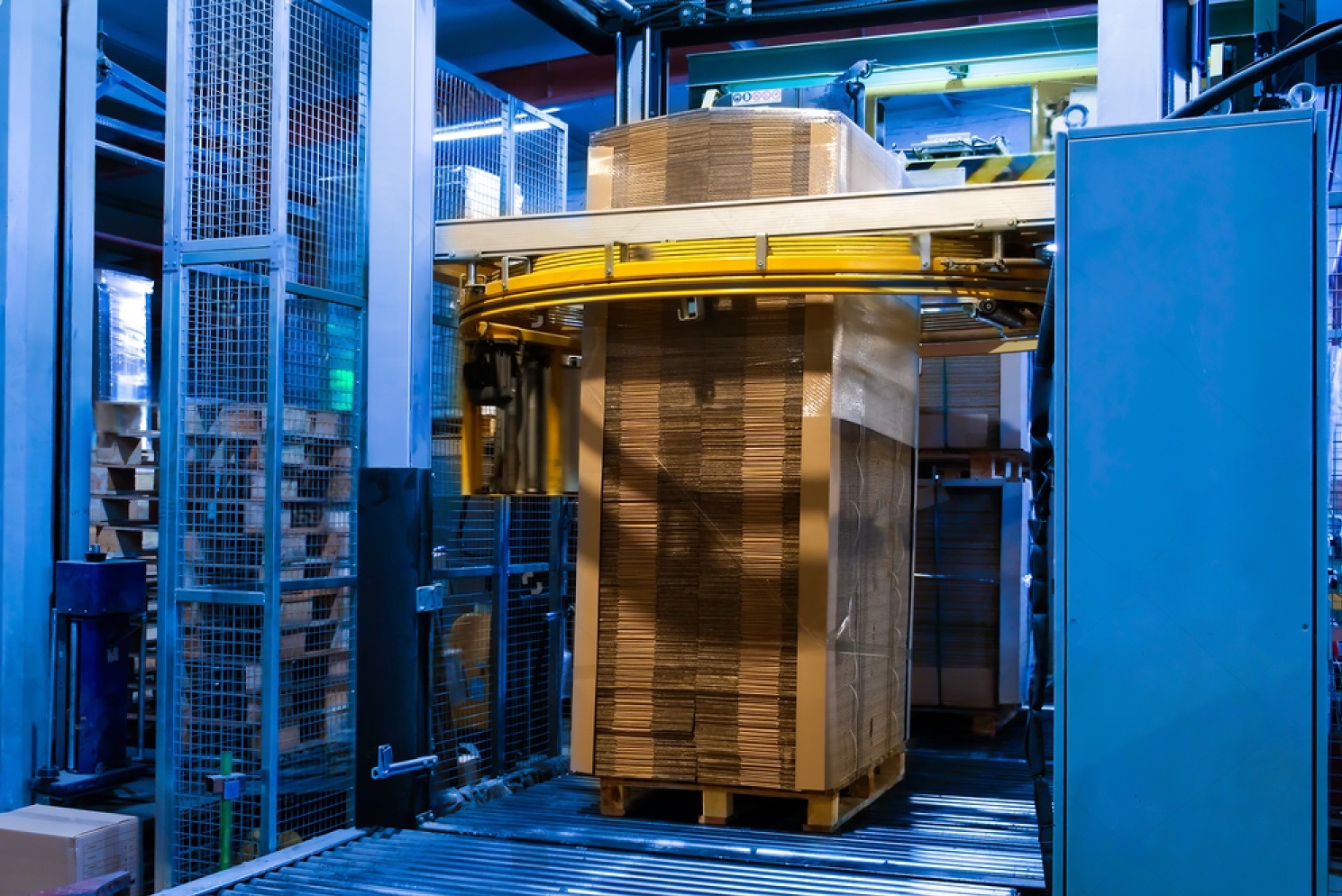
Pallet Wrapper

The Pallet Wrapper in IDEA’s Palletizing solution is an automatic stretch wrapping system integrated at the end of the line to secure and protect pallets after stacking. The system ensures load stability, reduces the risk of shifting and damage during storage and transportation, and optimizes film consumption through a precise pre-stretch mechanism. IDEA’s Pallet Wrapper is designed for flexible integration with robotic palletizing, layer palletizing, or cobot palletizing systems, meeting the strict operational and logistics standards of FDI manufacturers and G7 markets.

Pallet Wrapper - IDEA Group

Additional features

Our palletizing solutions integrate with:

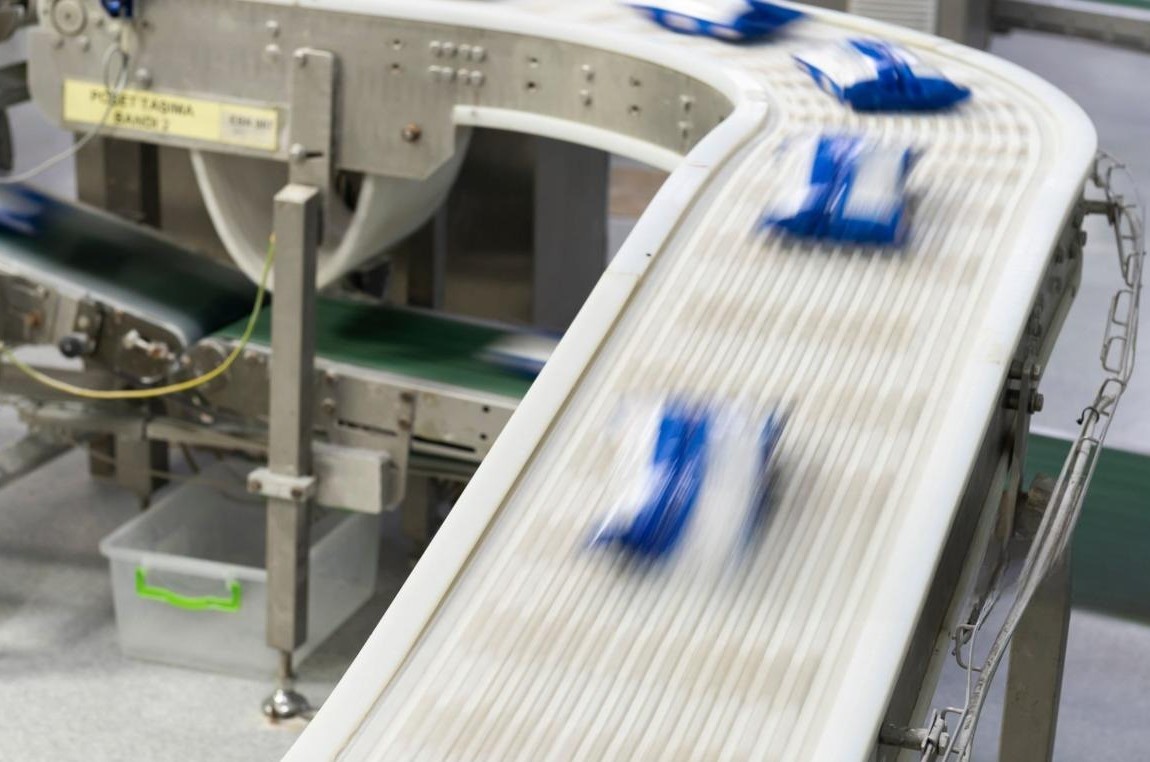
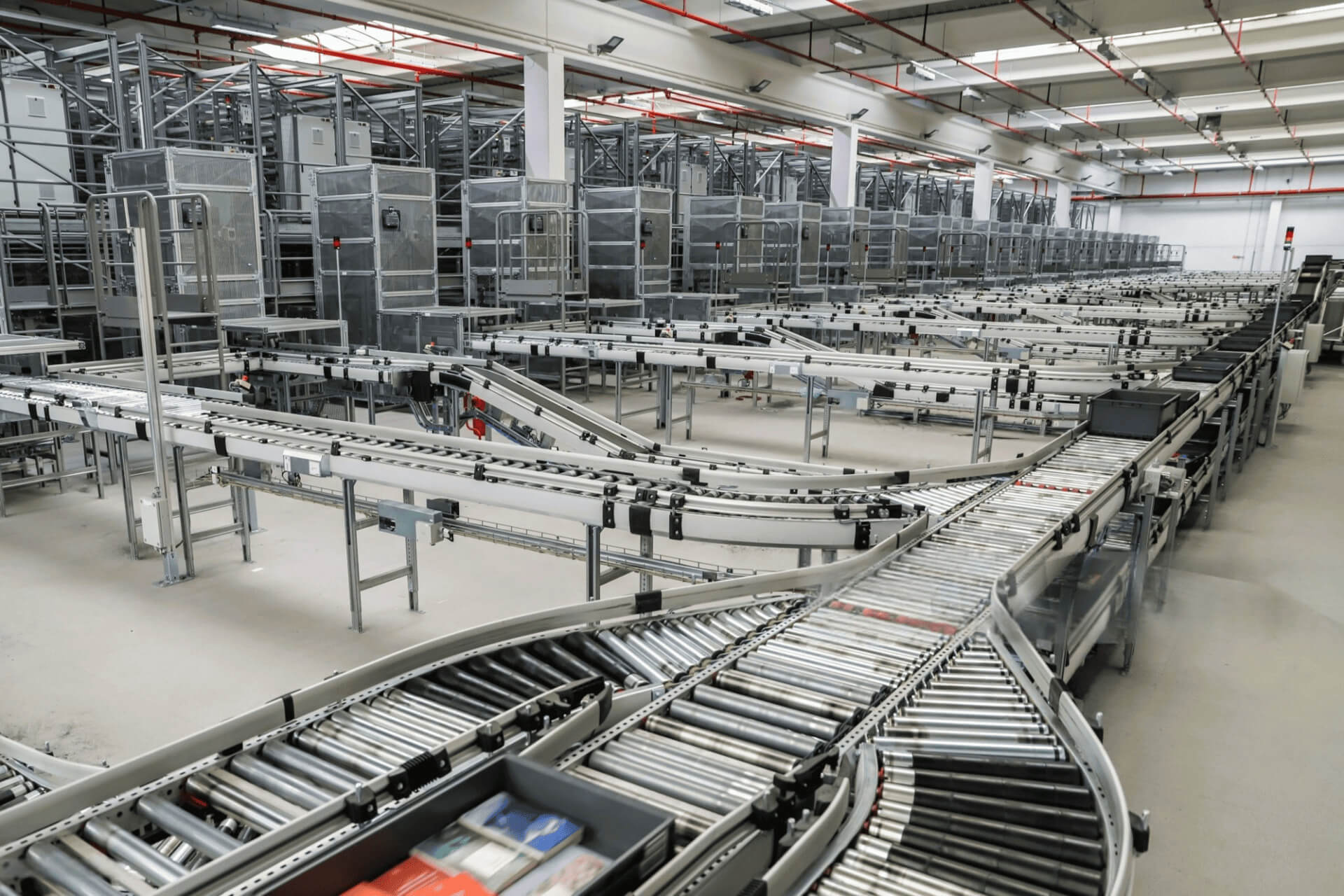
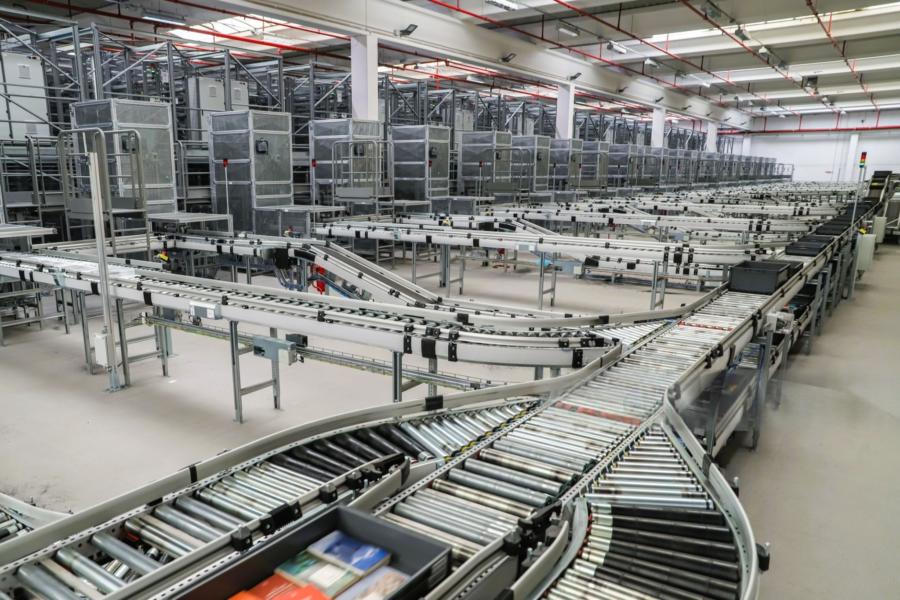
  • Conveyor systems, date coding, and automatic labeling
  • Automatic stretch wrapping machines
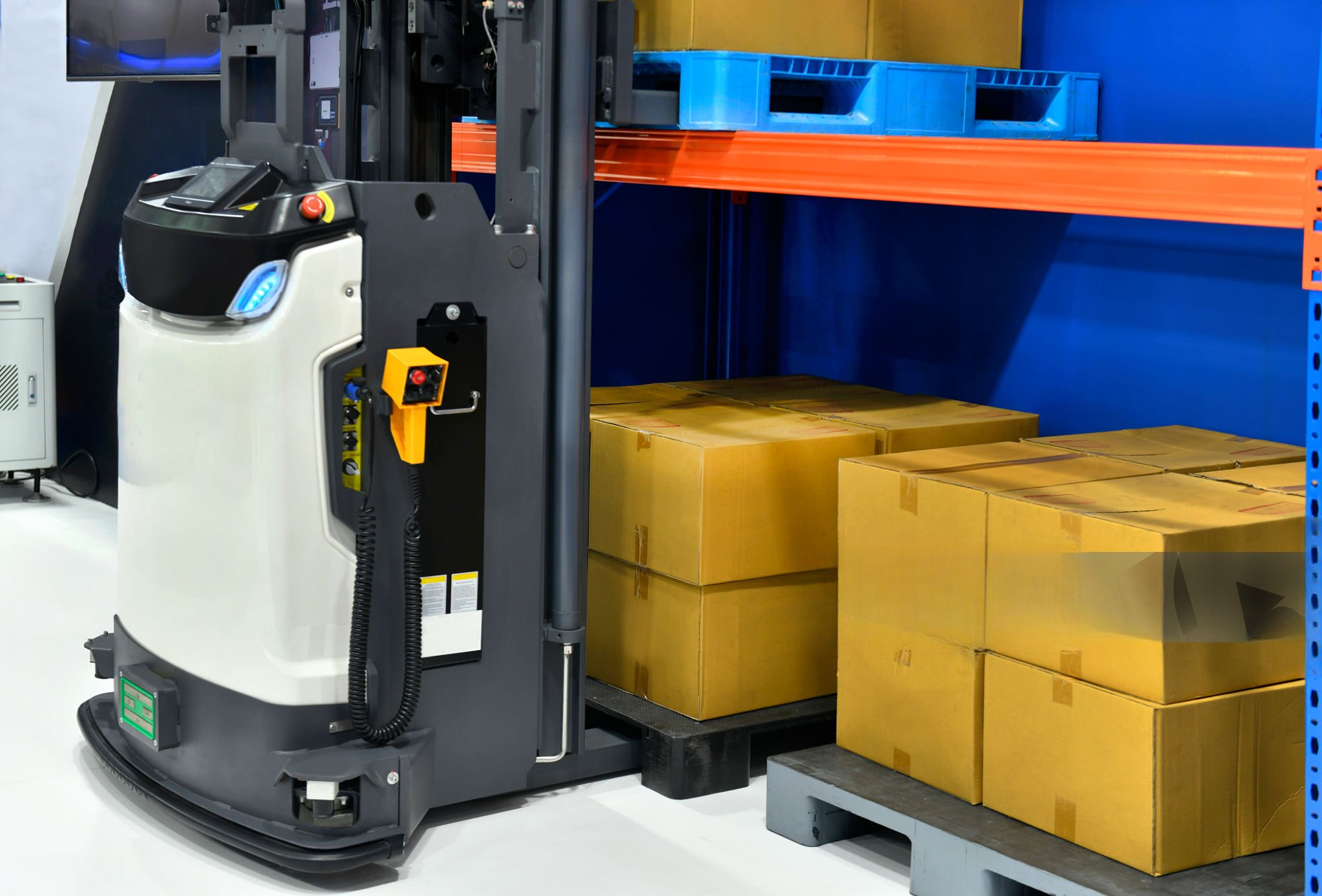
  • AGV/AMR for pallet transport
  • MES/SCADA for productivity monitoring and data tracking
  • Weight checkers, QR code scanners, and shape inspection systems
MES/SCADA for productivity monitoring and data tracking - IDEA Group
Conveyor systems, date coding, and automatic labeling
AGV/AMR for pallet transport

FAQs

01
What types of palletizing solutions are available today?
Currently, common palletizing solutions include:
  • Robotic Palletizing (industrial robots 3–4–6 axis, gantry): High flexibility, capable of handling various product types and stacking patterns, and easily integrated into automated production lines. IDEA’s robotic palletizing solutions are designed for high adaptability and future scalability.
  • Layer Palletizing: Products are stacked layer by layer at high speed, ideal for uniform products such as bottles, cans, or trays.
  • Cobot Palletizing (collaborative robots): Safe for human–robot collaboration, no safety fencing required, suitable for limited spaces and light payloads.
The selection depends on product characteristics, production volume, available space, and required flexibility.
02
When should Robotic Palletizing be used instead of Layer Palletizing?
Robotic Palletizing is recommended when companies need to:
  • Handle multiple product types (cartons, bags, bottles, trays, etc.).
  • Frequently change stacking patterns, sizes, or weights.
  • Easily scale capacity by increasing speed or deploying multiple robots in parallel.
  • Optimize floor space and integrate seamlessly with automated production lines.
Compared to fixed layer palletizing systems, IDEA’s robotic palletizing solutions offer superior flexibility and adaptability to changing production demands.
03
Can palletizing solutions handle multiple carton sizes?
Yes. Modern palletizing systems can handle multiple carton sizes through flexible end-of-arm tooling (EOAT) and recipe-based control software.
In particular, IDEA’s robotic palletizing solutions allow fast changeover between different sizes and SKUs without complex mechanical modifications.
04
What is the typical maximum palletizing speed of a system?
Palletizing speed depends on the solution type and product characteristics:
  • Robotic palletizing: approximately 8–15 cycles/min (depending on product type and EOAT).
  • Layer palletizing: approximately 15–20 layers/min, offering the highest throughput.
  • Cobot palletizing: approximately 3–7 cycles/min, suitable for small to medium production lines.
System capacity can be increased by optimizing cycle time or installing multiple robots in parallel, as implemented in IDEA’s high-throughput solutions.
05
How is a palletizing solution integrated into an existing production line?
IDEA palletizing systems are designed with an open and flexible architecture, enabling easy integration with existing lines via PLCs, I/O interfaces, and industrial networks.
They can also be synchronized with:
  • Outfeed conveyors – date coding – labeling machines
  • Pallet stretch wrapping machines
  • AGV/AMR pallet transport systems
  • MES/SCADA production monitoring systems
This integration minimizes production disruption and enhances overall automation efficiency.
06
How is pallet stability ensured after stacking?

Pallet stability is ensured through optimized layer patterns, appropriate gripping force, and high positioning accuracy of the robot or palletizer.
IDEA’s palletizing software optimizes load center of gravity and stacking structure, ensuring pallets remain stable and safe during transportation and storage.

07
Do palletizing solutions support fast product changeover?
Yes. Especially with robotic palletizing, systems support fast product and pallet pattern changeover via HMI or offline programming software.
With IDEA’s solutions, changeovers can be completed within minutes without mechanical intervention, significantly reducing downtime.
08
How much installation space does a palletizing system require?
The required installation space depends on robot type, reach, and line layout.
Cobot palletizing solutions from IDEA are particularly suitable for small factories, as they do not require safety fencing and have a compact footprint.
09
Is palletizing system maintenance complicated?
Modern palletizing systems are designed with standardized components and maintenance-friendly structures.
Maintenance mainly includes periodic inspection, lubrication, and replacement of wear parts, helping reduce downtime and ensure stable operation—an approach emphasized in IDEA’s system design.
10
Do palletizing solutions comply with industrial safety standards?
Yes. Palletizing systems are designed to comply with industrial safety standards.
Depending on the solution:
  • Industrial robots can be equipped with safety fencing, safety scanners, and emergency stop buttons.
  • Cobot palletizing systems allow safe human–robot collaboration without protective fencing.
IDEA’s palletizing solutions prioritize safety, helping reduce workplace accidents and improve overall factory safety.