MES System – End-to-End Production Management & Monitoring

In the era of Smart Manufacturing and Digital Transformation, effective production management is no longer optional—it is a critical success factor.
The Manufacturing Execution System (MES) enables manufacturers to connect real-time shop floor data with management-level decision making, ensuring transparency, accuracy, and operational excellence across the entire production process.
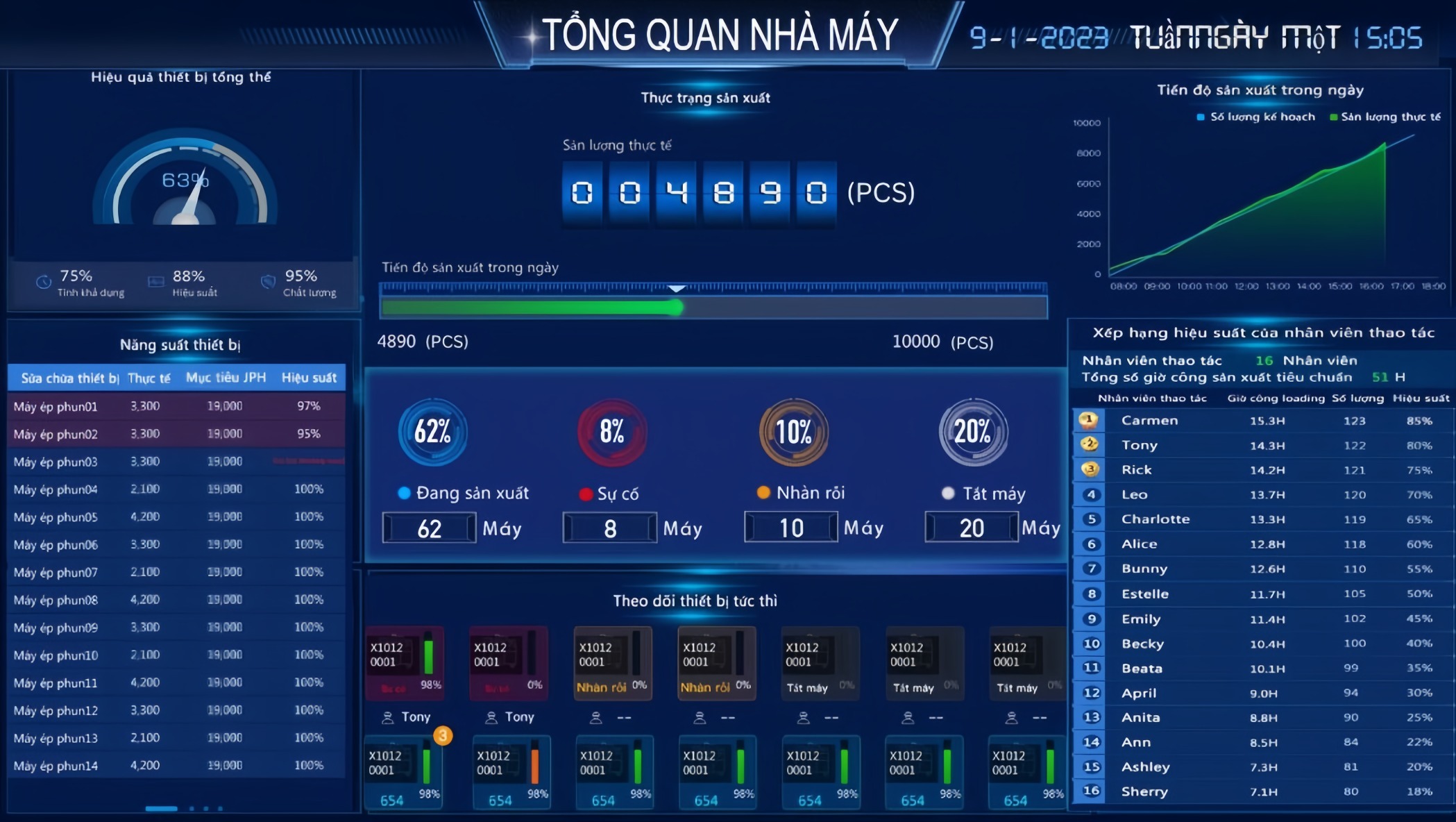
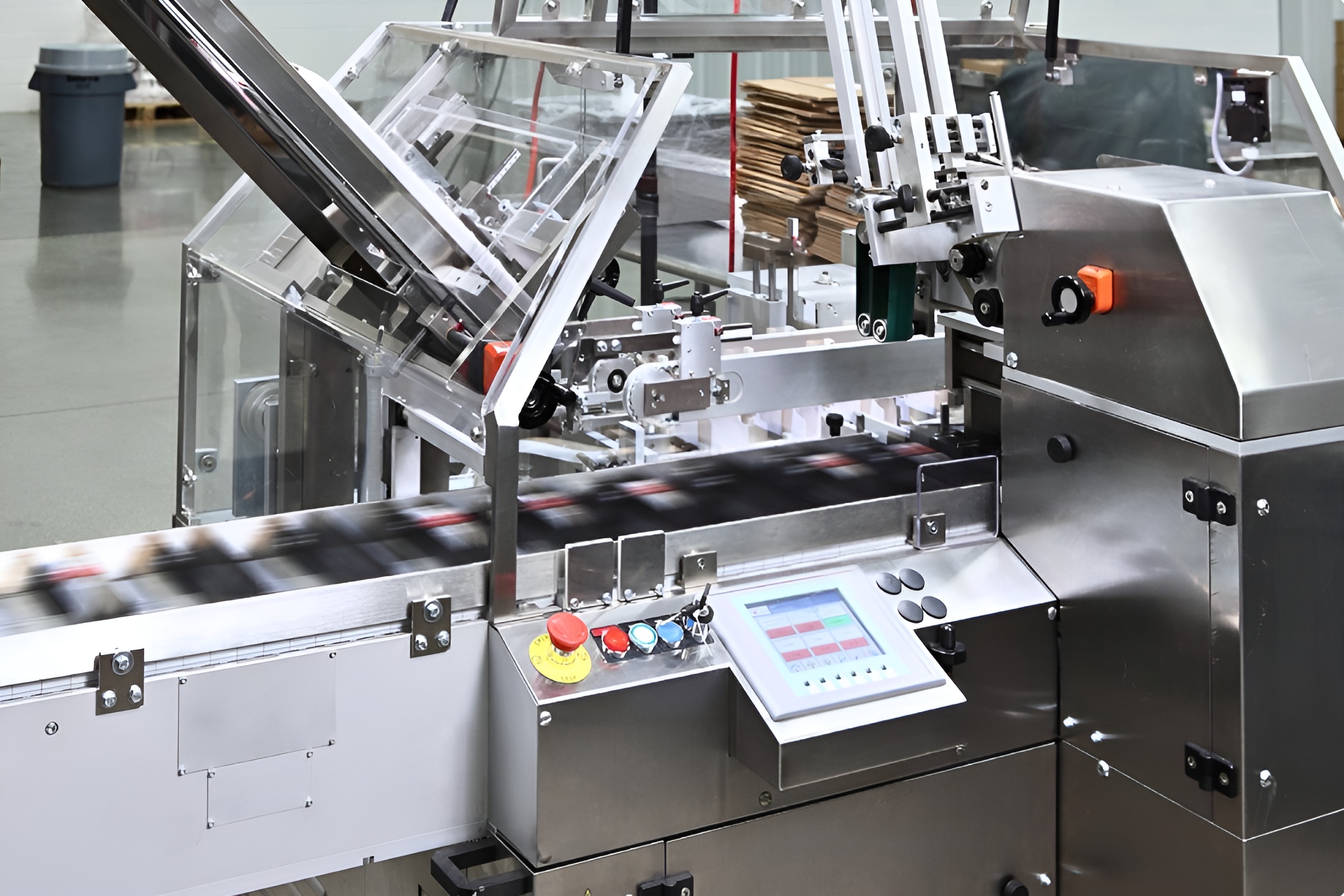
MES/SCADA for productivity monitoring and data tracking - IDEA Group

Manufacturing Challenges

LACK OF REAL-TIME DATA FOR DECISION-MAKING

In modern manufacturing environments, even minor disruptions or delays can significantly impact productivity and cost. However, many factories still rely on manual reports or delayed data, making it difficult to adjust production plans accurately and respond to issues in time.
Without real-time visibility, managers are forced to make decisions based on outdated or incomplete information.

LIMITED PRODUCTION & QUALITY CONTROL

Without a unified production monitoring system, manufacturers are more likely to experience process deviations, inconsistent product quality, and excessive material waste. These challenges lead to higher production costs and operational inefficiencies, while also damaging brand reputation and reducing competitiveness in an increasingly demanding market.

EXCEL IS NOT ENOUG FOR SHOP FLOOR MANAGEMENT

ERP systems are primarily designed for enterprise-level planning and financial management, while Excel spreadsheets are error-prone and lack automation. Without a dedicated MES solution on the shop floor, manufacturers struggle to accurately track Overall Equipment Effectiveness (OEE), detect equipment issues in real time, and analyze production performance to drive continuous improvement.

Real-Time Data Collection & Synchronization

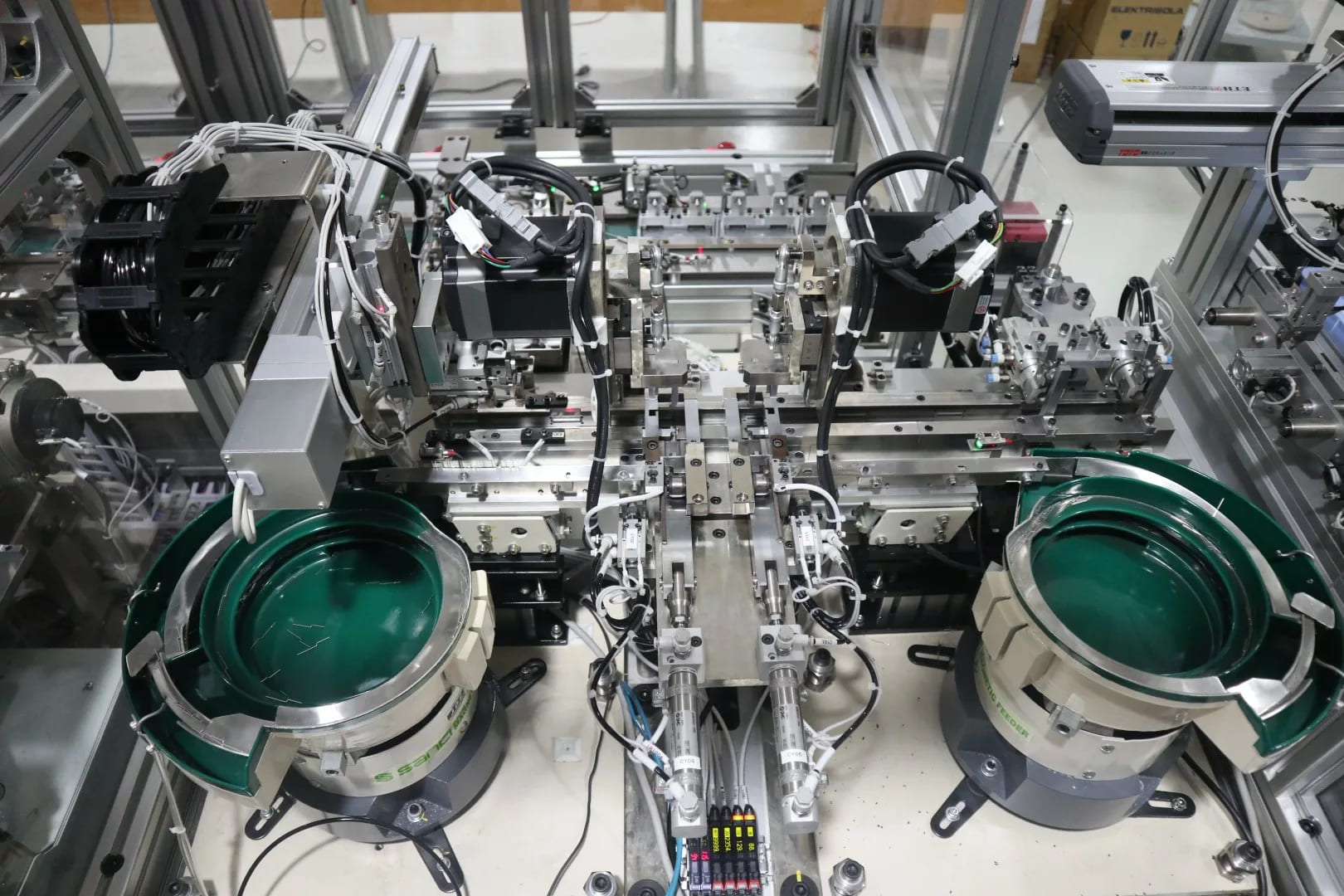
The MES system collects and synchronizes real-time data from machines, production lines, and operators, providing managers with a comprehensive view of production status.
This enables early issue detection and faster, data-driven decision-making.
IDEA Manufacturing Execution System 2

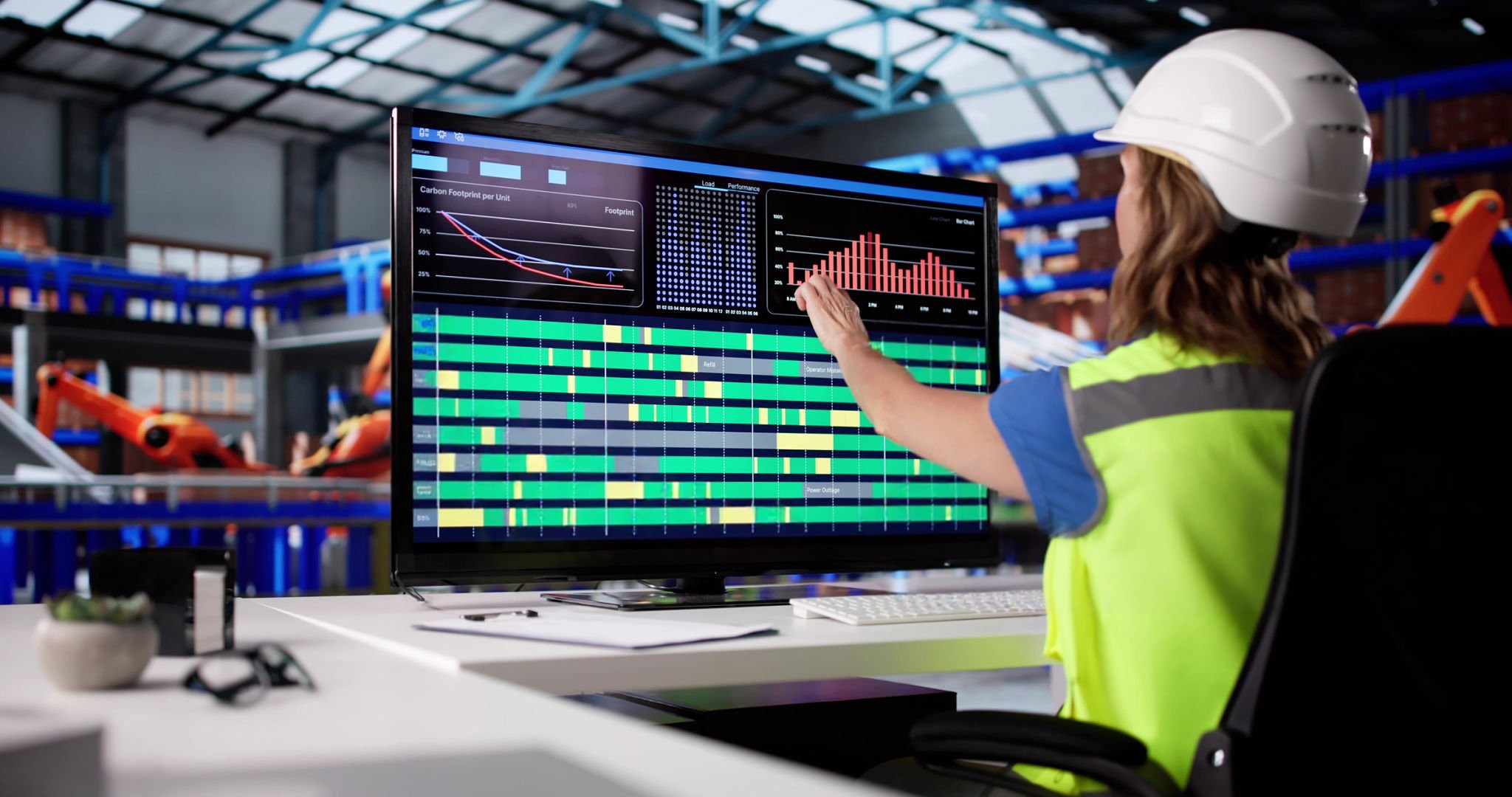
Real-Time Production Process Monitoring & Control

By monitoring each production step and equipment performance, the system helps:
  • Ensure consistent product quality
  • Reduce defects and waste
  • Improve OEE (Overall Equipment Effectiveness)
IDEA Manufacturing Execution System 2

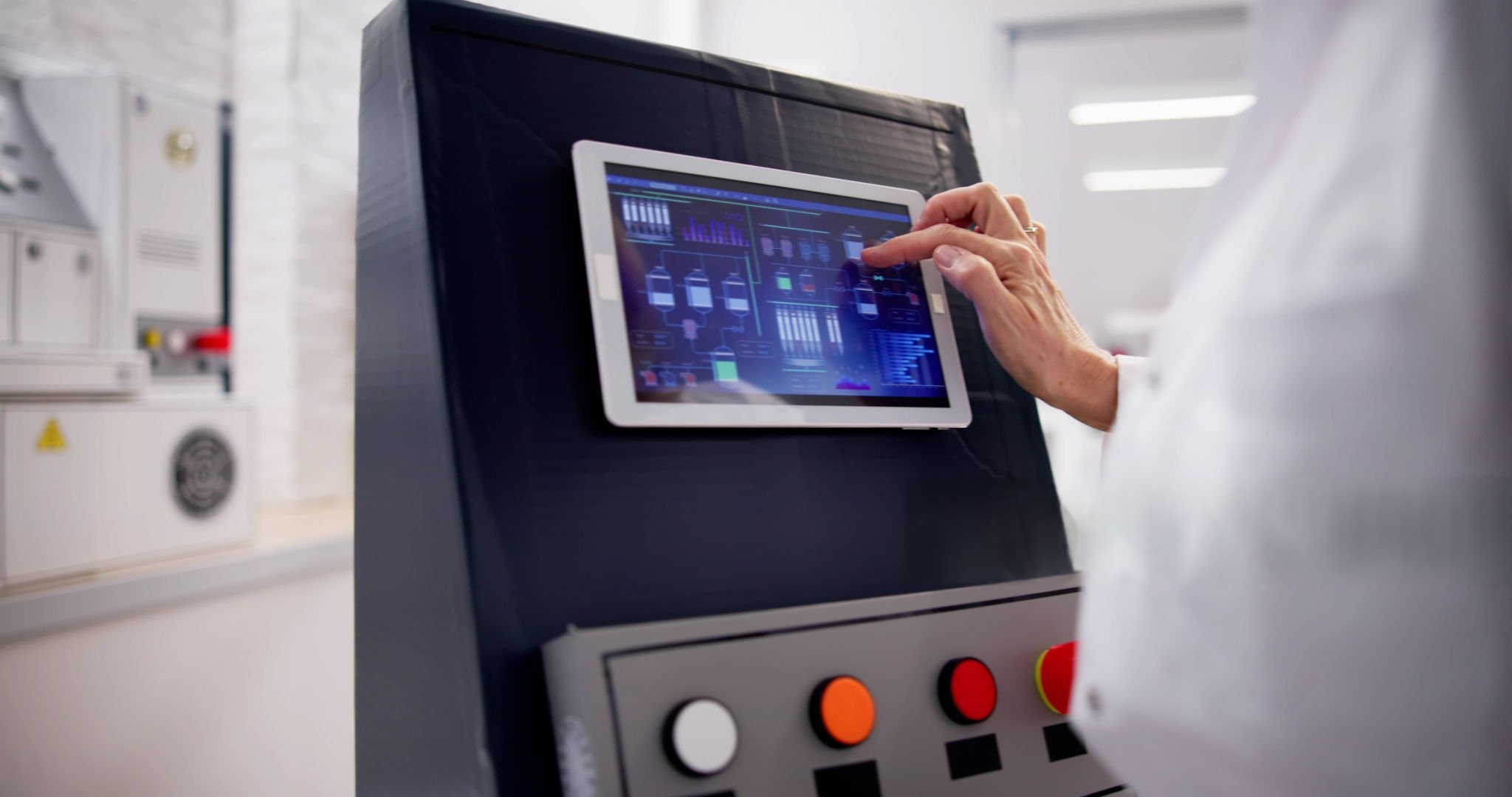
Flexible ERP Integration for a Complete Management Ecosystem

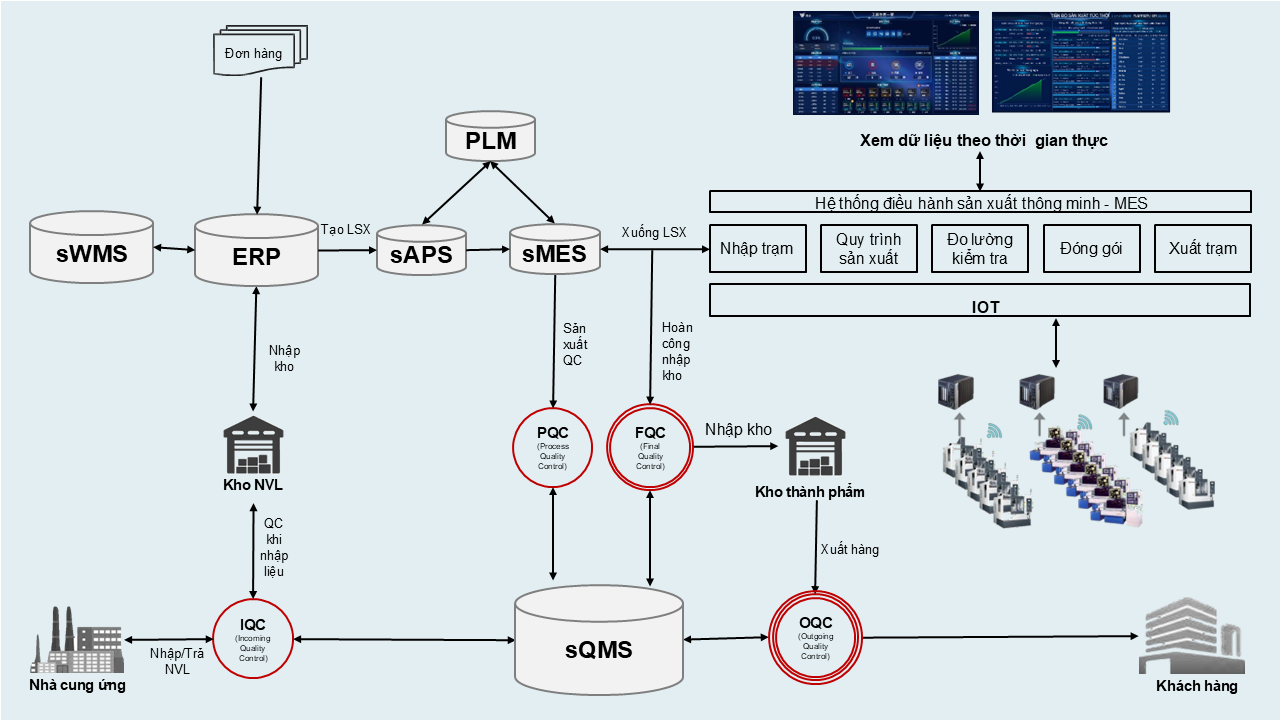
IDEA MES integrates seamlessly with ERP systems, bridging the gap between planning and execution.
This integration helps optimize production scheduling, reduce inventory, and improve overall operational efficiency.
Idea Group

ADVANTAGES OF THE SOLUTION

Real-Time Data Connectivity

The system captures data directly from production equipment, manufacturing lines, and IoT sensors, ensuring up-to-date and accurate information at all times.

End-to-End Production Management

From raw materials to finished goods, the MES system manages the entire production lifecycle—from material input and process tracking to quality inspection and final product output. This enables manufacturers to optimize production planning, reduce material waste, ensure consistent product quality, and meet traceability requirements.

Intelligent Analytics & Dashboards for Faster Decisions

The system offers intuitive dashboards and comprehensive analytics that cover key areas such as equipment performance (OEE), labor productivity, product quality, and production costs. These actionable insights enable managers to make quick, strategic, and data-driven decisions, eliminating the need to rely on assumptions.

Additional features

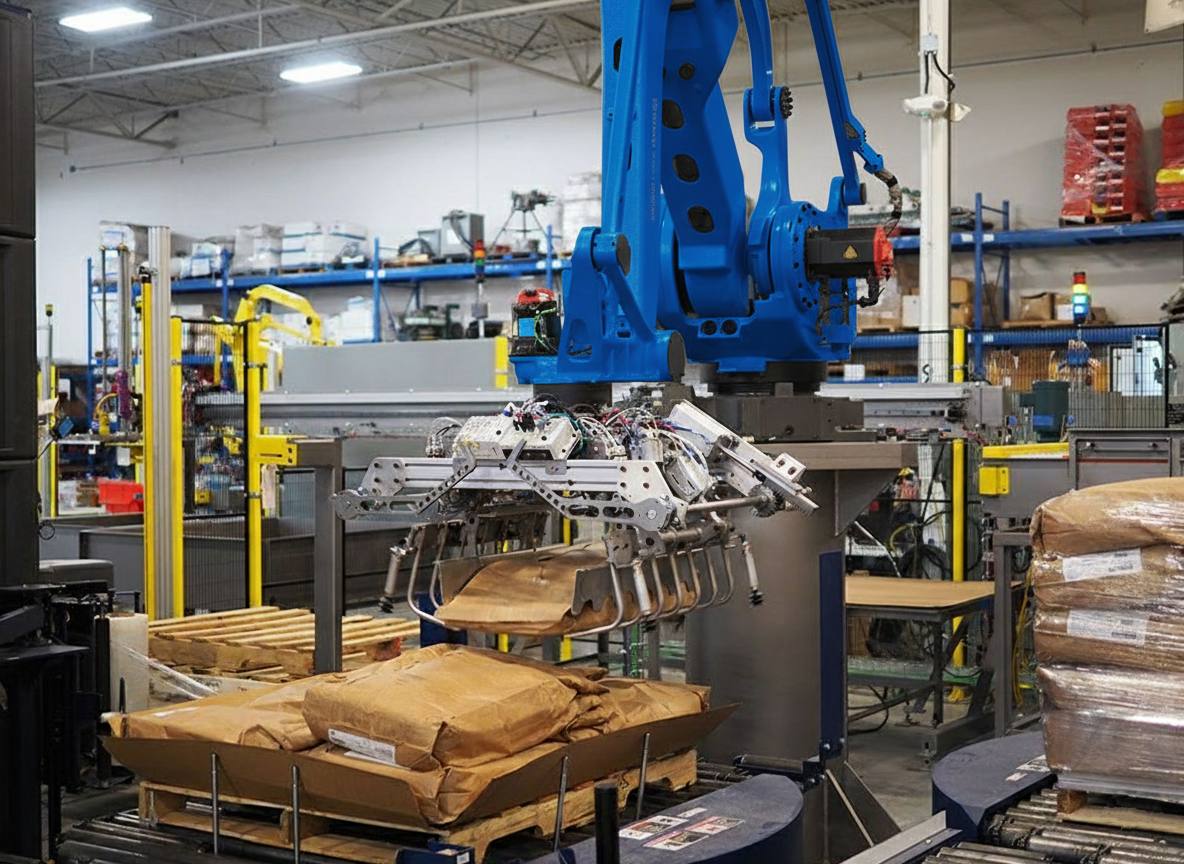
Our palletizing solutions integrate with:

  • Conveyor systems, date coding, and automatic labeling
  • Automatic stretch wrapping machines
  • AGV/AMR for pallet transport
  • Weight checkers, QR code scanners, and shape inspection systems
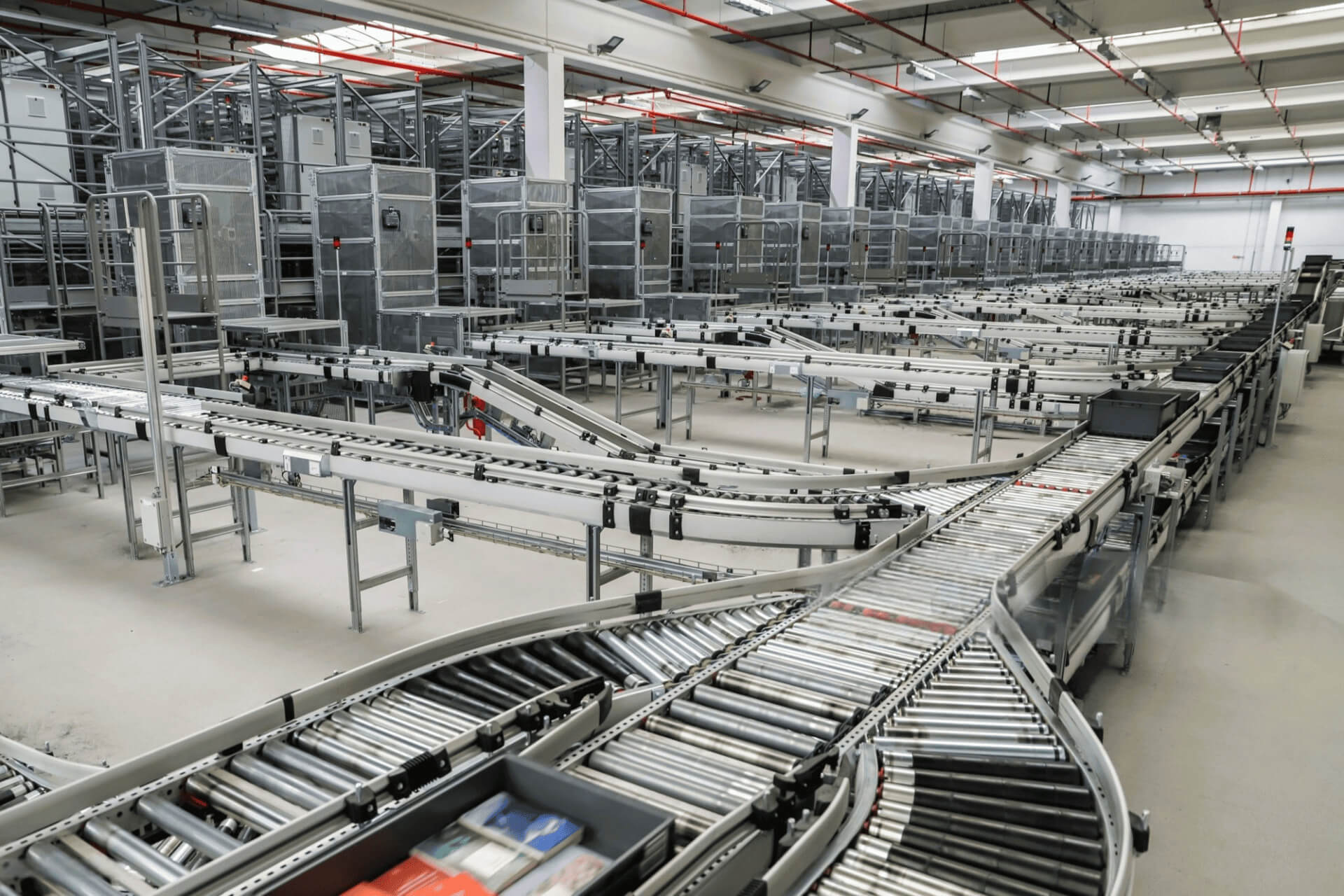
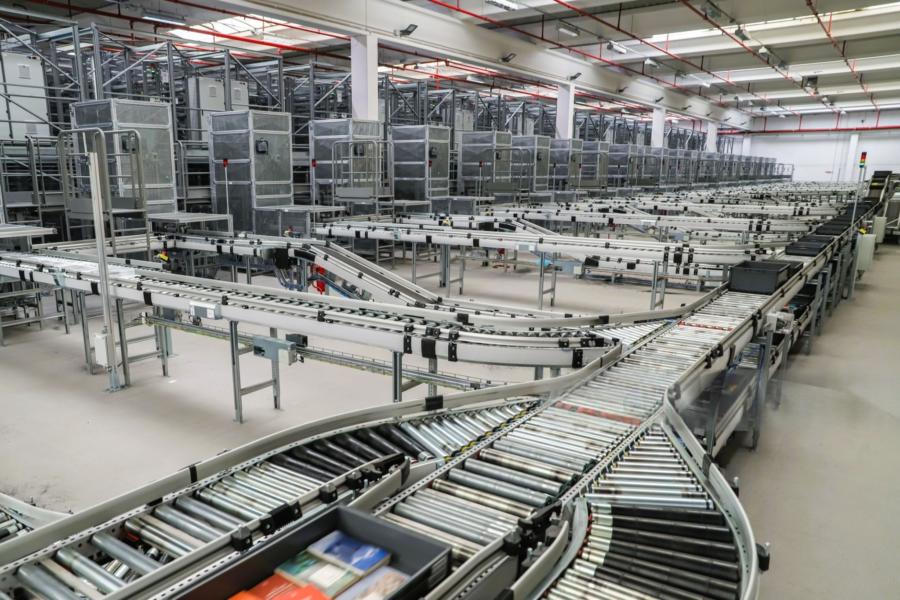
Material transportation solutions - IDEA Group

FAQs

01
What tasks does an MES perform in equipment management today?

Key MES tasks in equipment management include:

  • Real-time Equipment Monitoring & Control
  • Maintenance Management: maintenance scheduling and fault alerts
  • Production Scheduling to optimize machine utilization
  • Quality Management related to equipment operation
  • Data Collection & Analytics: KPI and OEE monitoring

These tasks help manufacturers improve equipment efficiency, reduce downtime, and optimize production processes.

02
How does an MES collect equipment data directly?
An MES collects equipment data through direct connections to PLCs, sensors, HMIs, or SCADA systems.
Industrial communication protocols such as OPC UA, Modbus, and Ethernet/IP are used to acquire real-time operational data, machine status, and production parameters for monitoring, analysis, and optimization.
03
How does an MES handle legacy machines without PLCs?

For legacy machines, MES solutions typically use:

  • External sensors or IoT gateways
  • Retrofit kits to convert analog/digital signals into digital data

This approach enables MES to monitor machine status, track output, and analyze performance without replacing the entire machine.

04
How is equipment data accuracy ensured in an MES?

MES data accuracy is ensured through:

  • Direct data acquisition from PLCs, sensors, and HMIs
  • Data validation mechanisms, error checking, and real-time time synchronization

This ensures reliable data for monitoring, KPI calculation, and equipment performance optimization.

05
Which parameters are used by MES to calculate OEE?
MES typically calculates OEE (Overall Equipment Effectiveness) based on three core parameters:
  • Availability: The ratio of actual operating time to planned production time
  • Performance: A comparison between actual production speed and the machine’s designed speed
  • Quality: The ratio of good products to total output
By combining these parameters, MES provides a comprehensive assessment of equipment effectiveness and supports continuous improvement initiatives.
06
How does MES support equipment maintenance management?
MES supports equipment maintenance through:
  • Preventive maintenance scheduling based on calendar time and operating hours
  • Predictive maintenance alerts derived from sensor data and machine performance trends
  • Maintenance history tracking to analyze failure causes and optimize maintenance strategies
As a result, MES helps reduce downtime, extend equipment lifespan, and improve overall production efficiency.
07
Can MES analyze machine downtime root causes?
Yes. MES records and analyzes machine downtime events based on data from PLCs, sensors, and operational logs.
  • Downtime reasons are classified by machine, process step, or operational error
  • This enables manufacturers to identify bottlenecks, improve processes, and reduce unplanned downtime
08
How scalable is MES when the number of machines increases?
MES systems are designed with an open and scalable architecture, allowing additional machines, production lines, or manufacturing areas to be added without impacting overall system performance.
Scalability ensures continued real-time data collection, performance monitoring, and maintenance management for all newly added equipment.
09
How does MES integrate with ERP or SCADA systems?
MES integrates with ERP systems to synchronize production, inventory, and order data via standard interfaces such as APIs or database links.
When connected to SCADA, MES collects real-time operational data and equipment status, enabling advanced monitoring, analysis, and production optimization.
10
Does MES implementation affect ongoing production?
No. MES implementation is typically carried out in phases to avoid production disruption.
The system can collect data in parallel with existing operations, enabling monitoring, analysis, and optimization without reducing production performance.