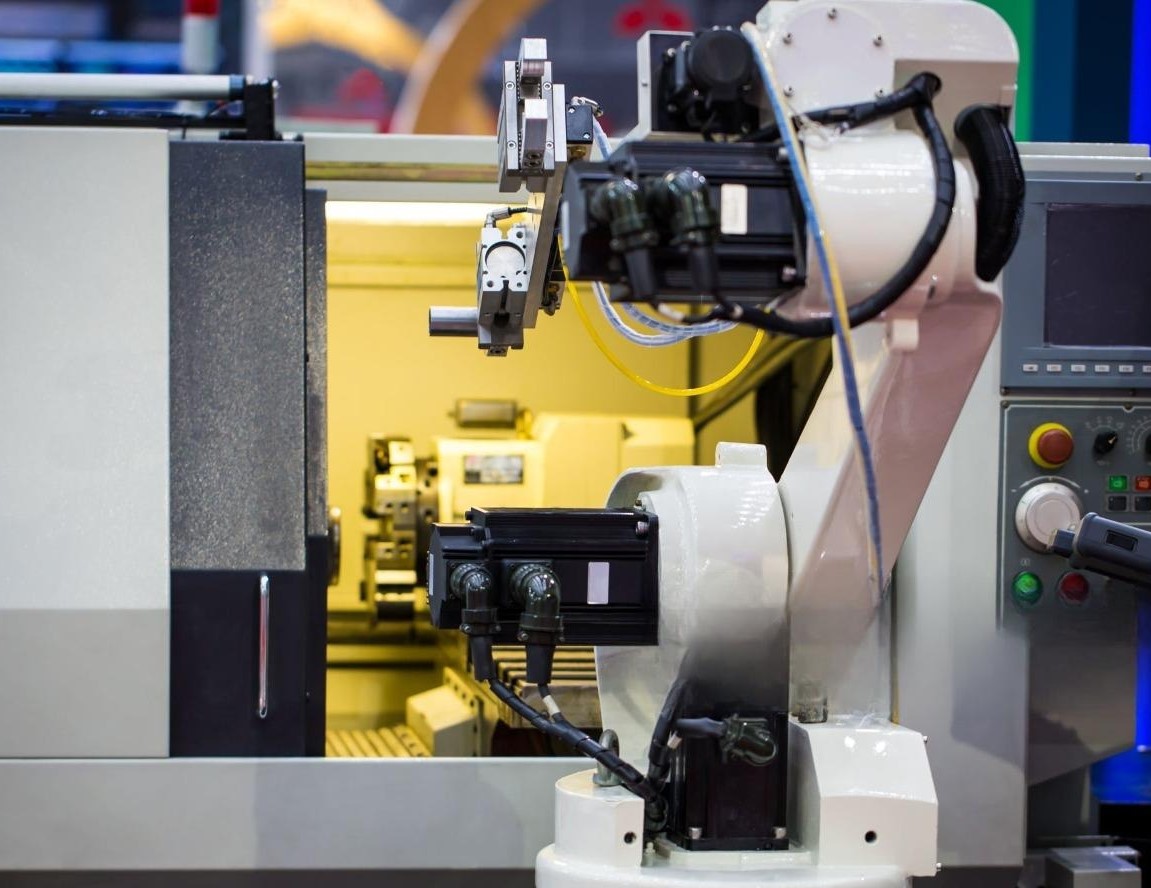
Smart Material Handling Solutions in Warehouses

In modern factories and warehouses, smart material handling solutions play a crucial role in ensuring a continuous, accurate, and safe flow of materials. Manual or fragmented transportation not only reduces productivity but also makes control and operational optimization more challenging.

IDEA Group’s smart material handling solution is designed to fully automate internal transportation processes through the integration of conveyor systems, AGV/AMR autonomous vehicles, and a real-time MES monitoring system. This helps businesses improve operational efficiency and stay ready for future expansion.

Material transportation solutions - IDEA Group

Challenges

DEPENDENCE ON MANUAL LABOR

Material handling in warehouses still relies heavily on manual operations, reducing productivity, making control difficult, and posing safety risks.

FRAGMENTED MATERIAL FLOW

The movement of goods between warehouse and production areas lacks synchronization, leading to congestion, delays, and operational conflicts.

LACK OF REAL-TIME DATA INSIGHTS

It is difficult to track the location, status, and progress of goods in real time, limiting the ability to analyze, optimize, and scale warehouse operations.

Smart Intralogistics Solution for Warehouses

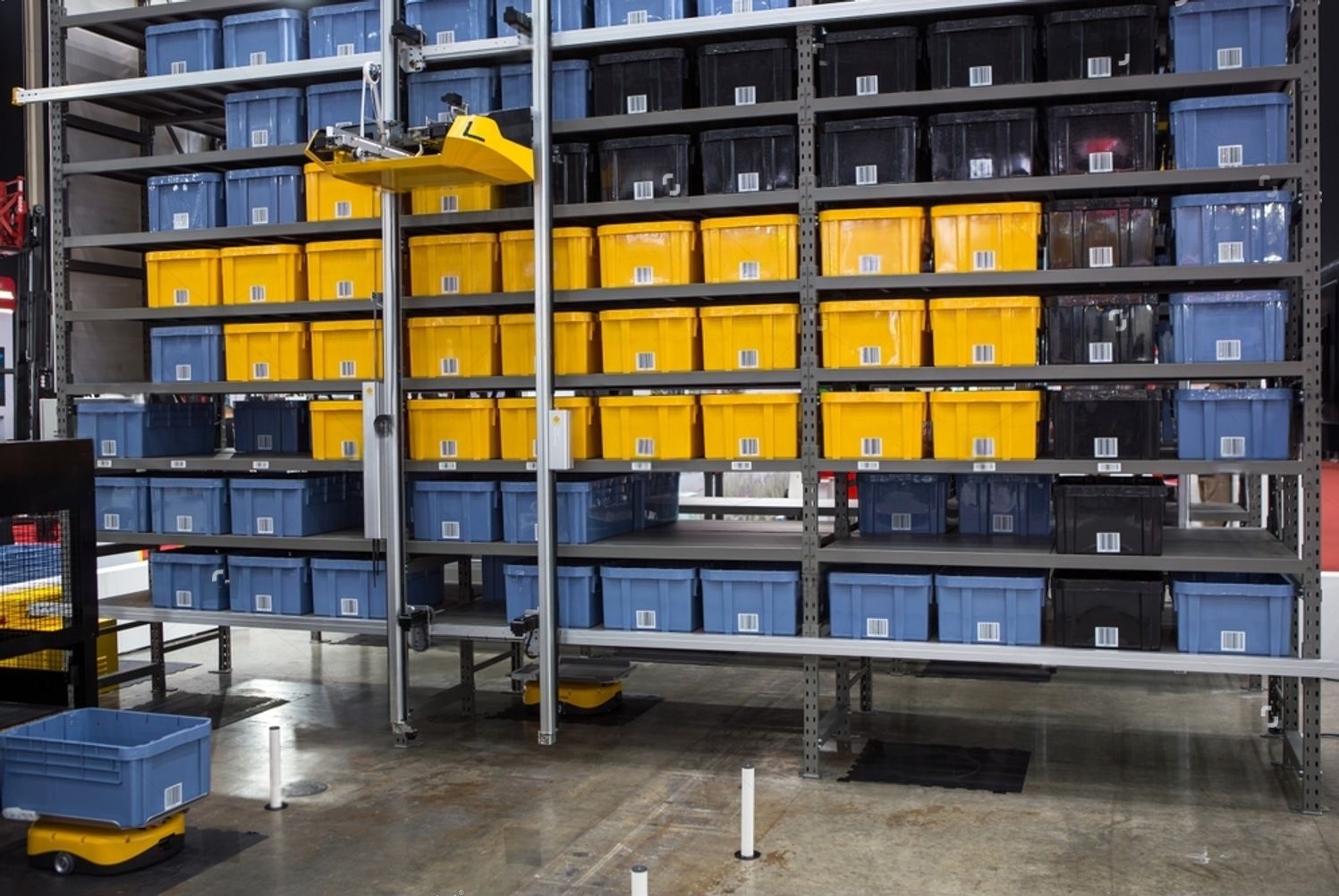
IDEA Group provides a comprehensive and integrated smart material handling solution for warehouses, focusing on system design, integration, and optimization rather than offering standalone equipment. The solution combines conveyor systems for continuous and stable transportation, AGV/AMR autonomous vehicles for flexible movement routes, and an MES system for real-time monitoring, coordination, and data collection. The entire system is seamlessly integrated with warehouse operations, production lines, and inbound/outbound areas, creating an intelligent, automated, and easily scalable intralogistics system for modern warehouses.
Idea Group

Solutions detail

Warehouse Conveyor System

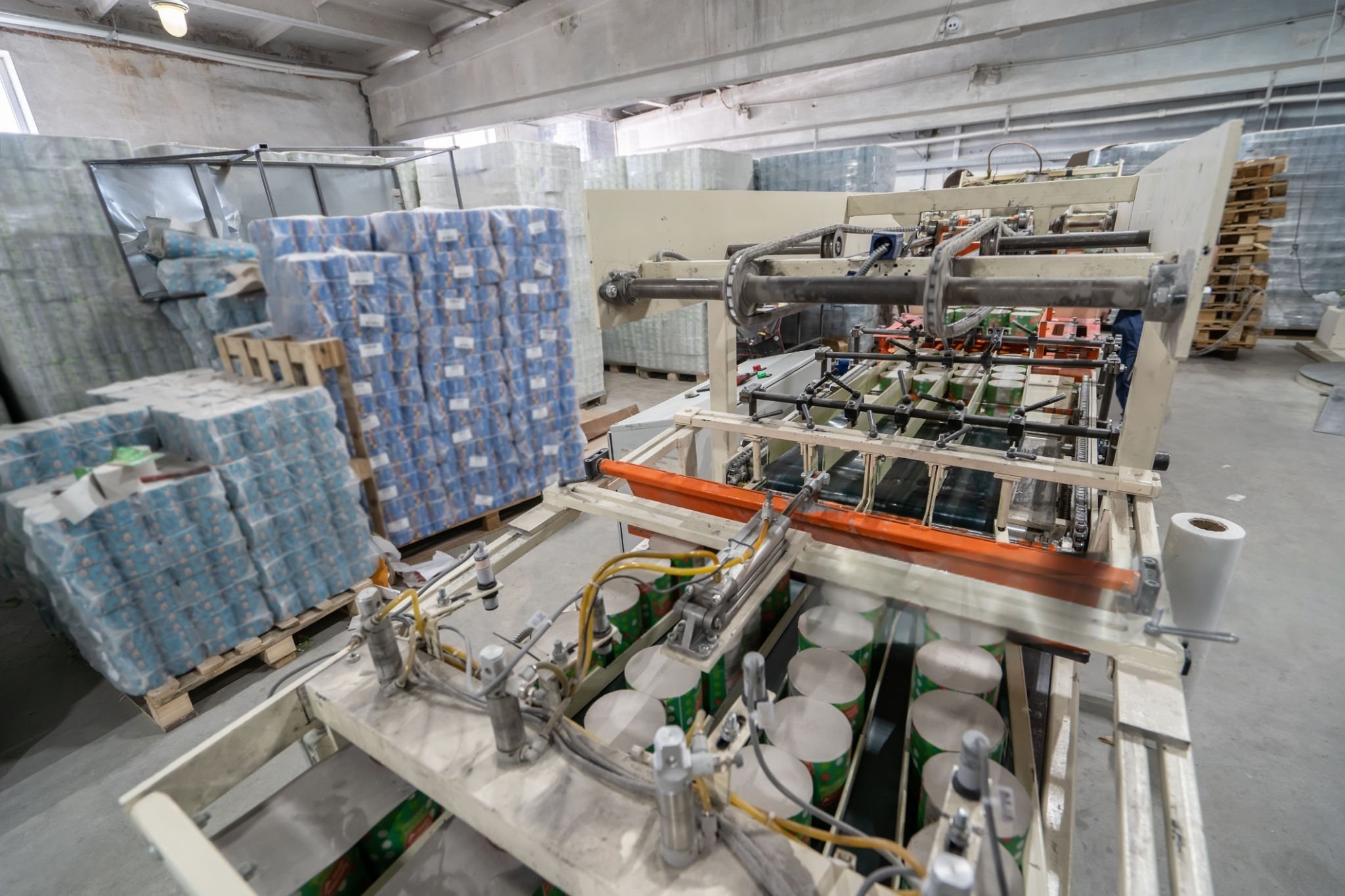
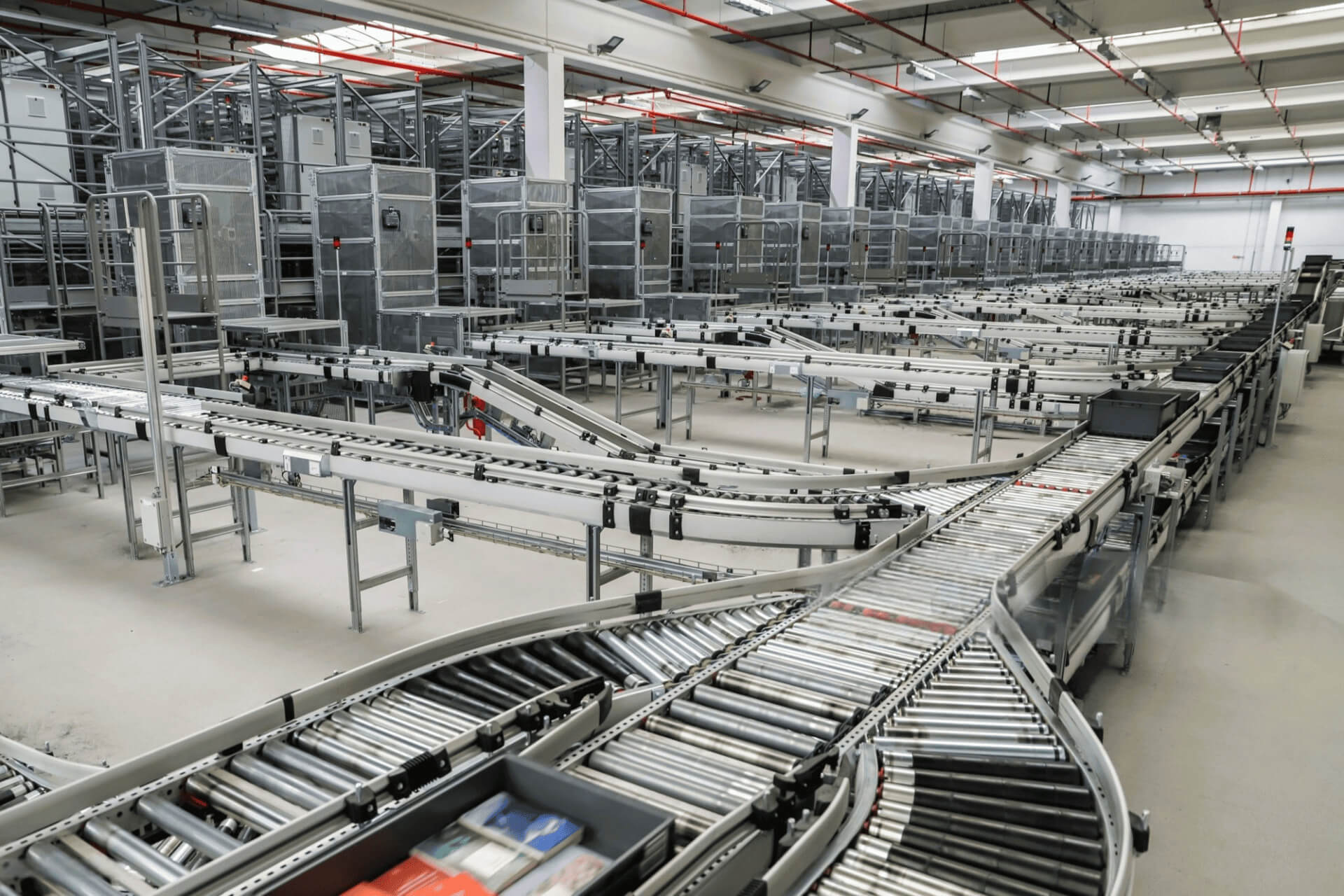
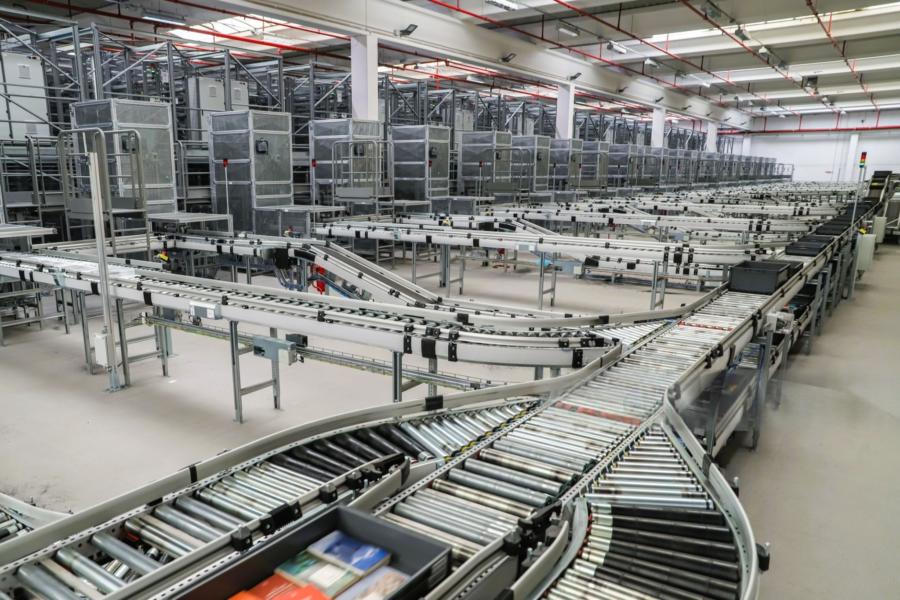
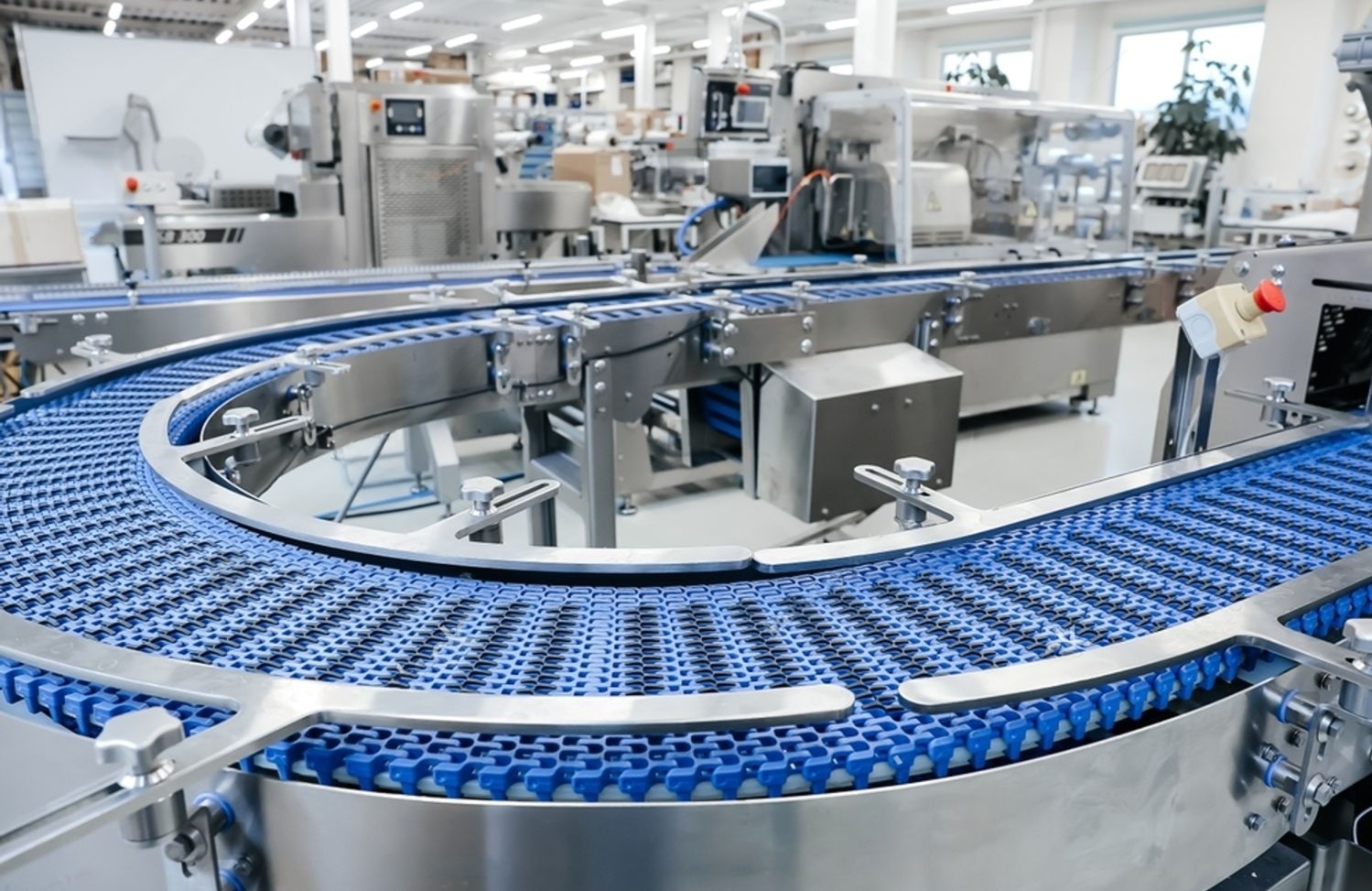
The warehouse conveyor system includes belt conveyors, roller conveyors, and chain conveyors, making it suitable for transporting pallets, cartons, and trays. Each system is integrated with sensors, branching points, and buffer zones to ensure smooth, efficient, and automated material flow throughout the warehouse.

Material transportation solutions - IDEA Group

AGV / AMR Solution for Warehouses

Our AGV/AMR solution enables efficient internal transportation of pallets and goods while ensuring safe movement in environments where people are present. The system is designed for flexibility, allowing businesses to easily scale up the number of vehicles and expand operating routes as production demands grow.

MES & Real-Time Warehouse Monitoring

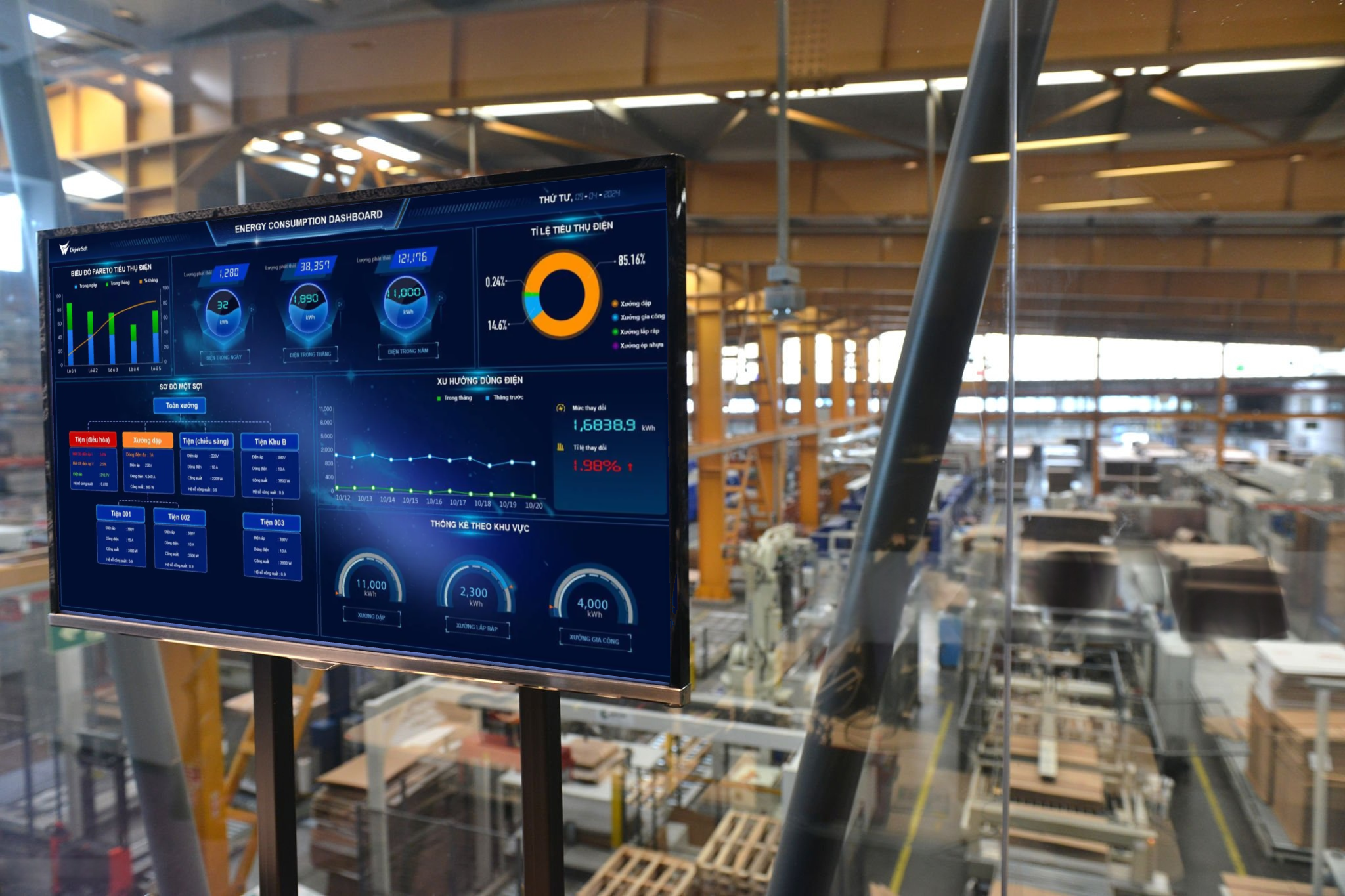
The MES system enables real-time tracking of the location and status of goods within the warehouse, ensuring full visibility across operations. It synchronizes data with production and shipping plans to maintain workflow efficiency and provides instant alerts for congestion, deviations, or operational issues, helping businesses respond quickly and prevent disruptions.

IDEA Manufacturing Execution System 2

Additional features

The smart warehouse solution can also be integrated with several other solutions provided by IDEA, such as:

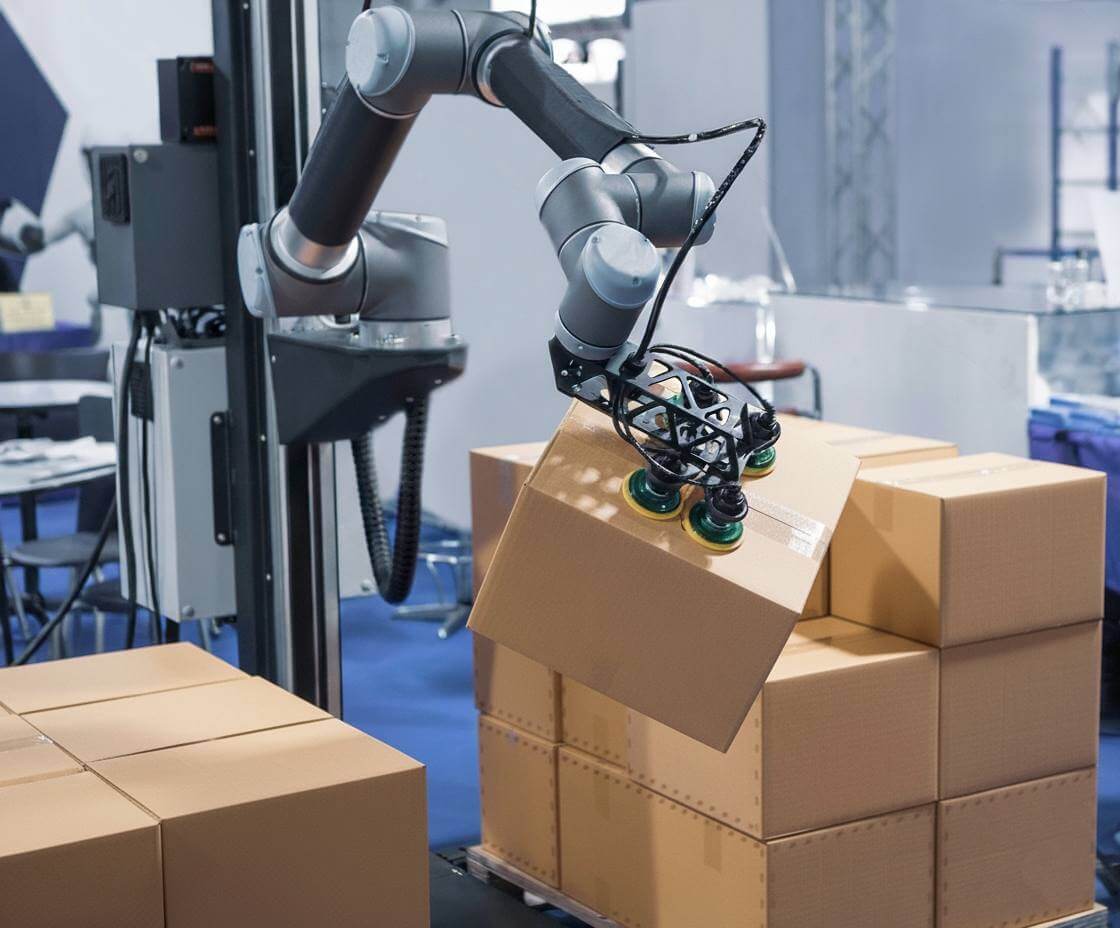
  1. Palletizing Solution
  2. End-of-Line (EOL) Solution
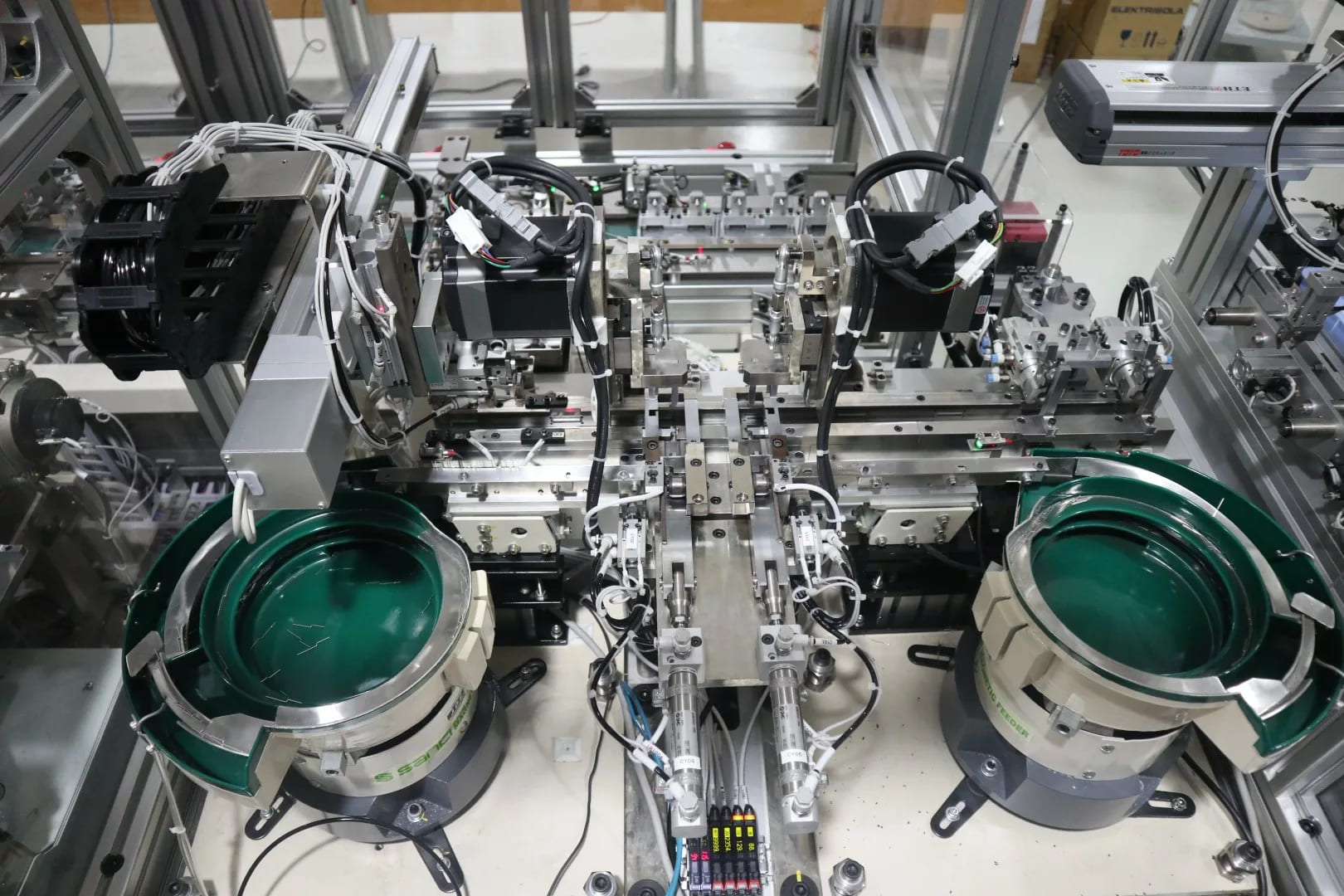
  3. Custom Machine Solution

FAQs

01
What challenges does an intelligent goods transportation solution help businesses address?
Intelligent transportation solutions tackle common challenges:
  • Labor dependency: Reduces manual handling, increases productivity, and minimizes safety risks.
  • Fragmented material flow: Synchronizes movement across different zones, preventing congestion and conflicts.
  • Lack of real-time data: Enables instant tracking of location, status, and progress of goods, supporting system analysis and optimization.
02
How do AGVs/AMRs operate in warehouse material handling?
AGV/AMR vehicles autonomously transport pallets and goods within the warehouse along pre-defined or dynamic routes. Key features include:
  • Safe navigation in environments with human operators.
  • Easily scalable fleet size or operational routes as demand increases.
  • Integration with WMS/MES for real-time material flow and warehouse data management.
03
What are the features of conveyor systems in warehouses?
Conveyor systems (belt, roller, chain conveyors) are designed to:
  • Continuously transport pallets, cartons, and bins.
  • Incorporate sensors, diverter points, and buffer zones to control material flow.
  • Synchronize with AGVs/AMRs and MES, ensuring continuous and stable material throughput.
04
How does an MES system support warehouse material handling?
MES monitors warehouse operations in real time and can:
  • Track the location and status of goods within the warehouse.
  • Synchronize data with production plans and shipping schedules.
  • Provide timely alerts for congestion, deviations, or operational issues, supporting quick decision-making.
05
Does deploying an intelligent transportation solution affect current operations?

No. Implementation is modular and phased, running in parallel with existing operations. The system can partially automate material flow from the start, optimizing processes without disrupting warehouse or production activities.

06
How does an intelligent transportation solution reduce safety risks?
Intelligent transportation systems enhance safety through:
  • AGVs/AMRs: Equipped with LiDAR, ultrasonic sensors, and cameras to detect obstacles and personnel.
  • Conveyor systems: Integrated safety sensors that automatically stop in case of obstructions or incidents.
  • Standardized operating procedures for both AGVs/AMRs and conveyors, reducing the risk of accidents and collisions compared to manual handling.
  • Automatic emergency stop mechanisms to protect personnel and goods.
07
How can warehouse transportation performance be monitored?

Performance is monitored via MES and WMS, tracking trip counts, transit times, and congestion points. The system provides real-time alerts and analytics to optimize AGV routes, conveyor flow, and material handling, thereby enhancing overall operational efficiency.

08
Can the solution be scaled in the future?

Yes. Intelligent transportation systems are designed to be flexible and easily scalable as demand grows, e.g., adding AGVs/AMRs, conveyors, or temporary storage areas. All equipment continues to synchronize with WMS and MES, ensuring effective warehouse operations even at larger scales.

09
How can intelligent transportation solutions integrate with existing business systems?

Intelligent transportation solutions feature an open architecture, allowing seamless integration with existing systems such as WMS, MES, ERP, or production management systems. Integration synchronizes order data, inventory, production schedules, and transportation status in real time. This enables coordinated operation of AGVs/AMRs, conveyors, and central control systems, reducing manual interventions and enhancing overall warehouse efficiency.

10
How does the intelligent transportation system help businesses plan and forecast transportation demand?

By leveraging real-time data from MES and WMS, businesses can monitor material flow, transport volumes, and shipment frequencies. This information helps forecast future transportation demand, plan the deployment of AGVs, conveyors, and workforce efficiently, and prevent congestion or stock shortages.