End-Of-Line Packaging Solutions – Automate Your Production Line

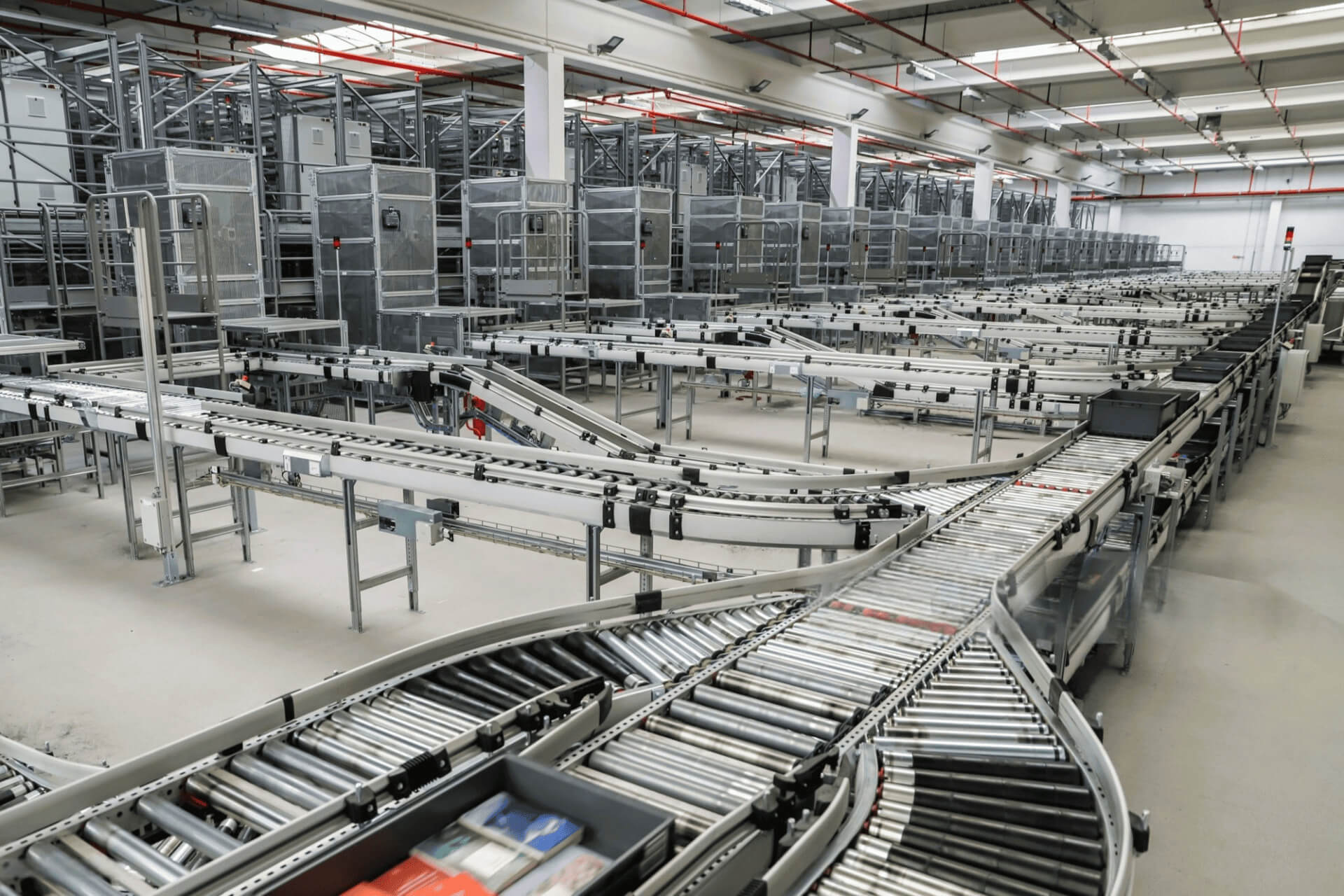
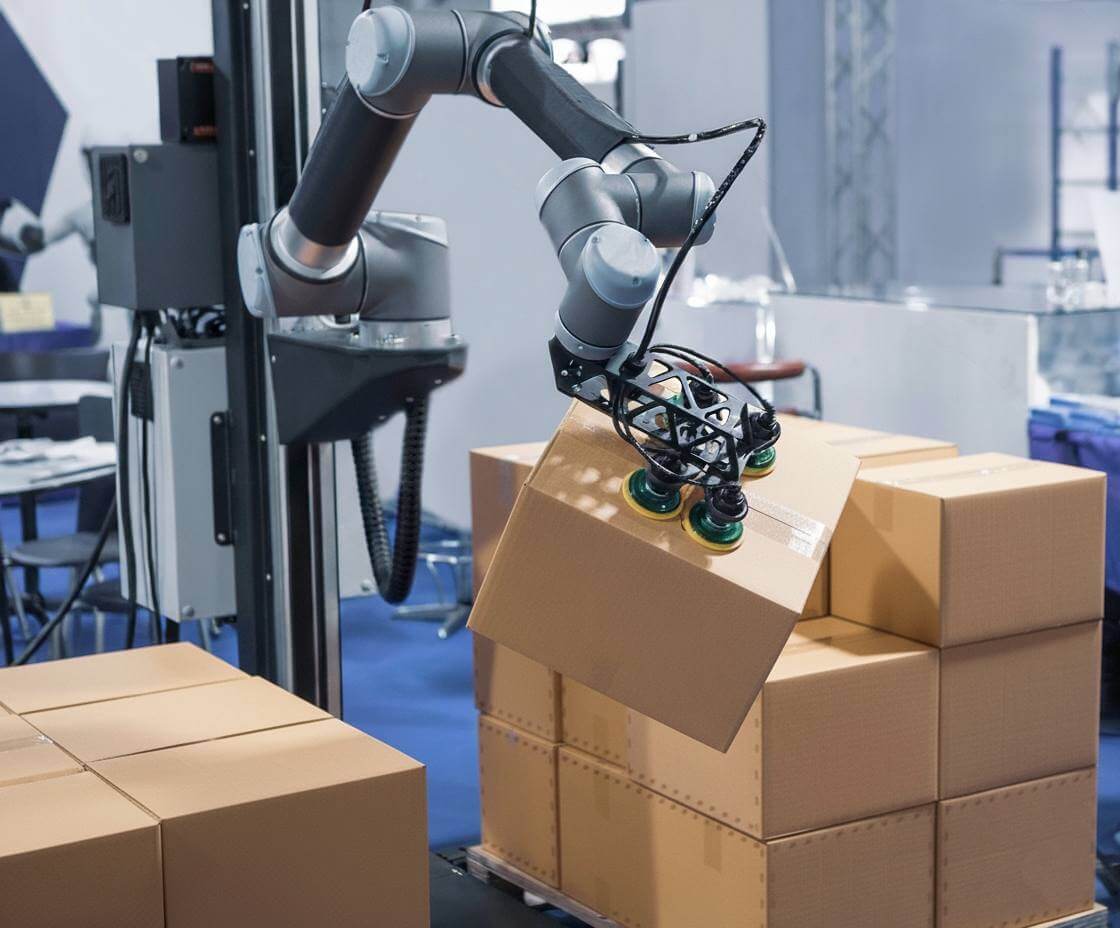
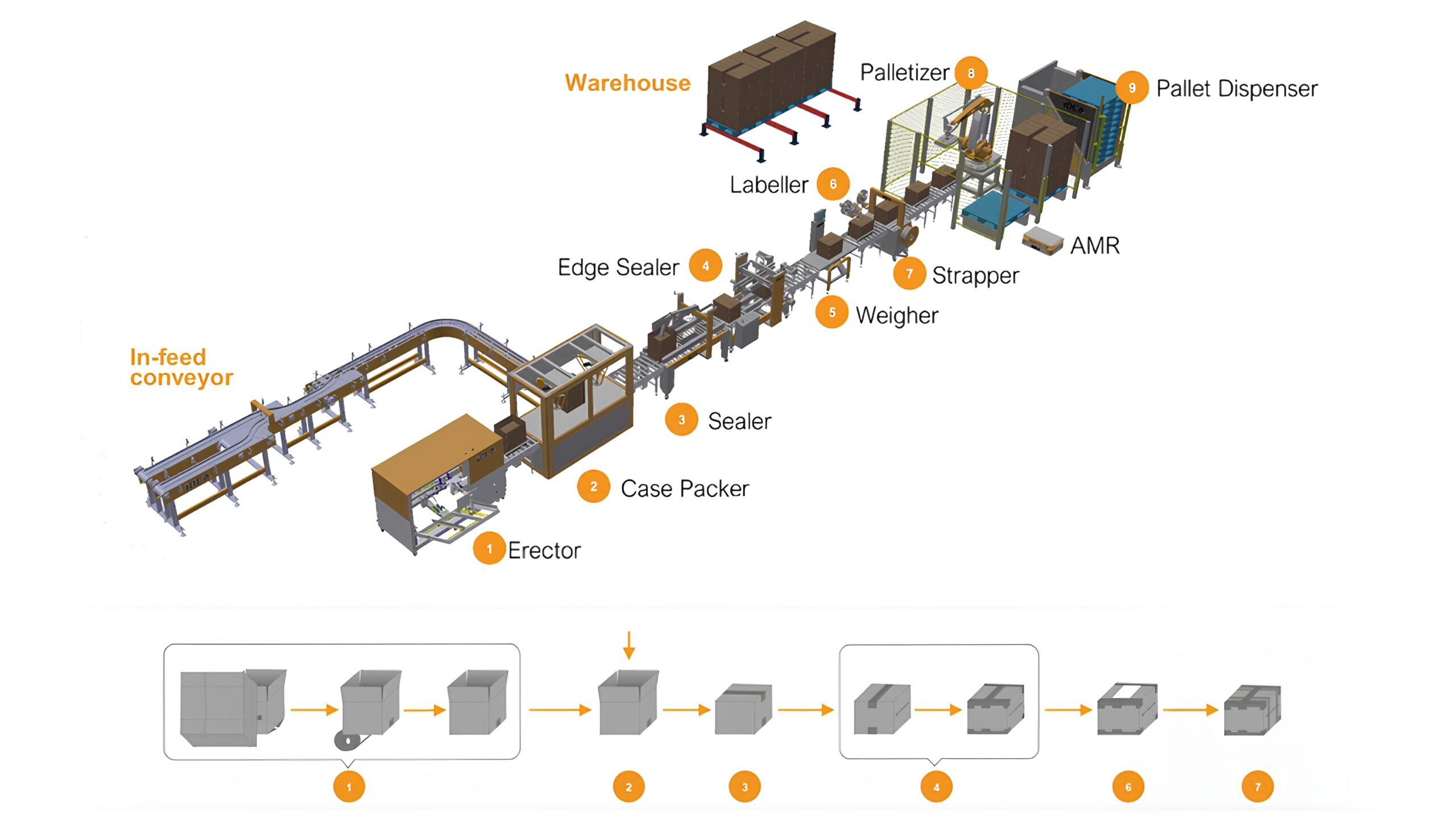
IDEA’s automated packaging solutions help manufacturers boost efficiency, cut labor costs, ensure consistent packaging quality, and enable full traceability. Our packaging line automation integrates every stage—from carton erector machine, case packer system, sealing, labeling, to palletizing solutions—into a closed-loop process, adaptable to multiple industries.
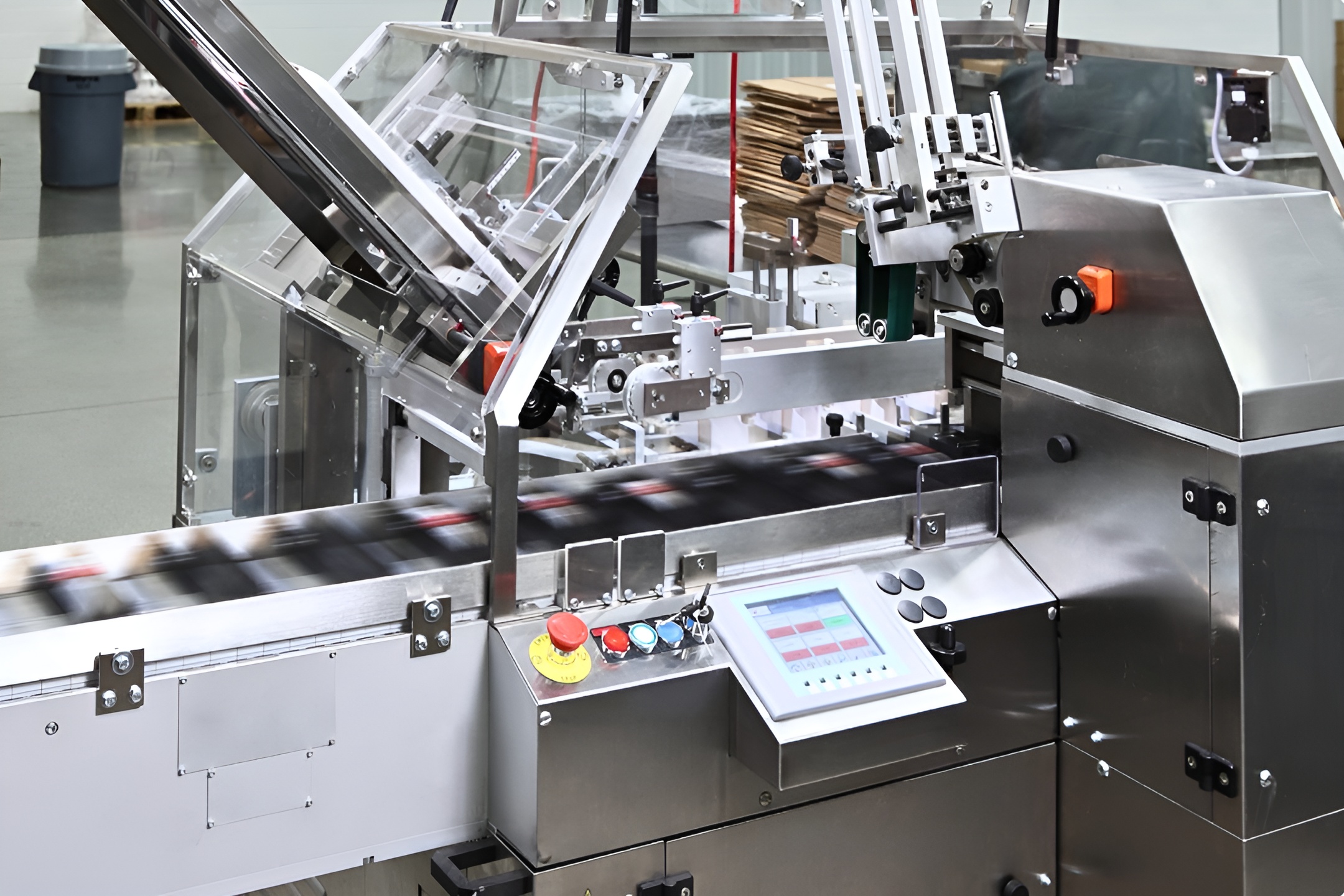
Hình 1. Giải pháp đóng gói - IDEA Group

CHALLENGES

LOW EFFICIENCY – HIGH DEPENDENCE ON MANUAL LABOR

Manual packaging requires 11–17 operators per line for tasks such as carton forming, product loading, sealing, strapping, labeling, and palletizing. Speed is inconsistent, prone to errors, and cannot keep up with production demands.

HIGH OPERATING COSTS – LIMITED SCALABILITY

Excessive labor costs, inefficient space utilization, and bottlenecks hinder expansion when production scales up.

LACK OF QUALITY CONTROL & TRACEABILITY

Manual packaging error rates range from 4–10%, including mislabeling, carton failures, and incorrect product counts. Data for traceability is fragmented, impacting quality checks and outbound logistics.

IDEA’S Comprehensive End-Of-Line Packaging Solution

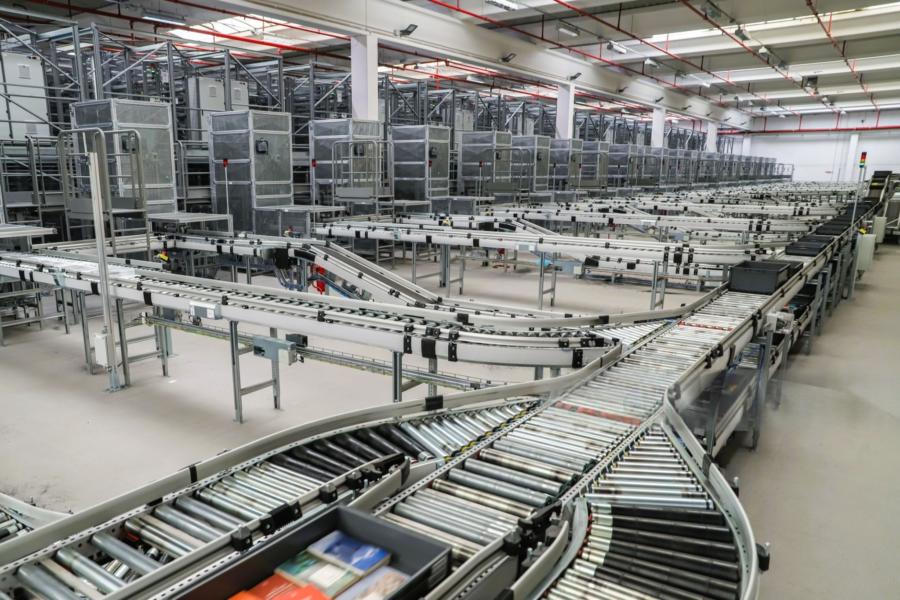
IDEA delivers a fully automated end-of-line packaging automation system, integrating advanced equipment into a seamless process from production to warehouse. This solution accelerates packaging speed, minimizes errors and labor costs, and optimizes operations and storage space. With high flexibility, the system can be easily scaled and customized for different industries.

Hình 2. Giải pháp đóng gói tự động IDEA

SOLUTION DETAILS

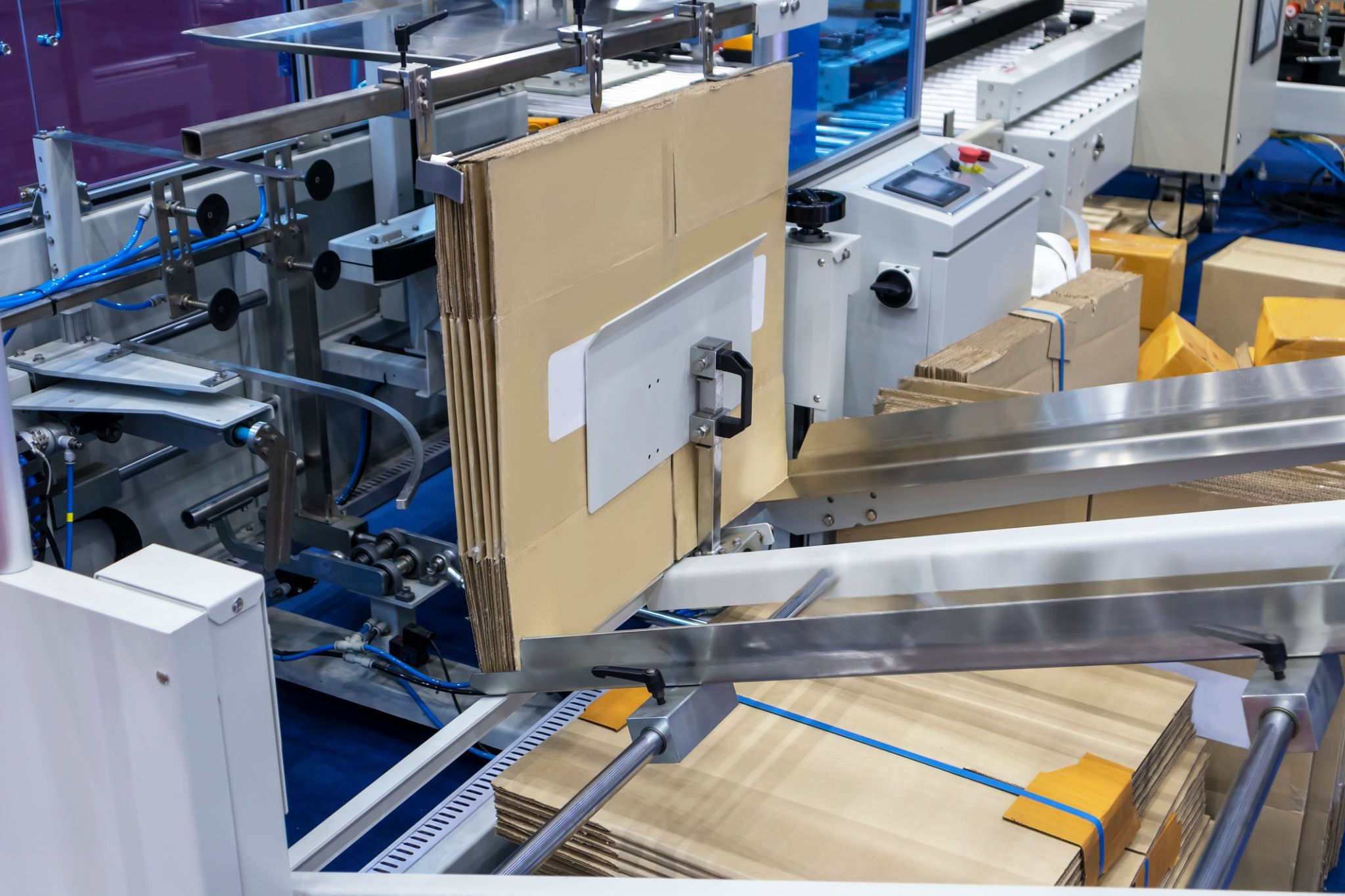
Carton Erector Machine

Speed: Up to 15 cartons/min (or 30 cartons/min depending on model)
Carton size: L 250–600 mm | W 200–500 mm | H 120–500 mm
Adhesive: 2″ or 3″ tape or hot melt adhesive
Function: Automatically forms flat cartons into boxes, ensuring accuracy and readiness for packing.
Carton Erector Machine Speed: Up to 15 cartons/min (or 30 cartons/min depending on model) Carton size: L 250–600 mm | W 200–500 mm | H 120–500 mm Adhesive: 2" or 3" tape or hot melt adhesive Function: Automatically forms flat cartons into boxes, ensuring accuracy and readiness for packing.

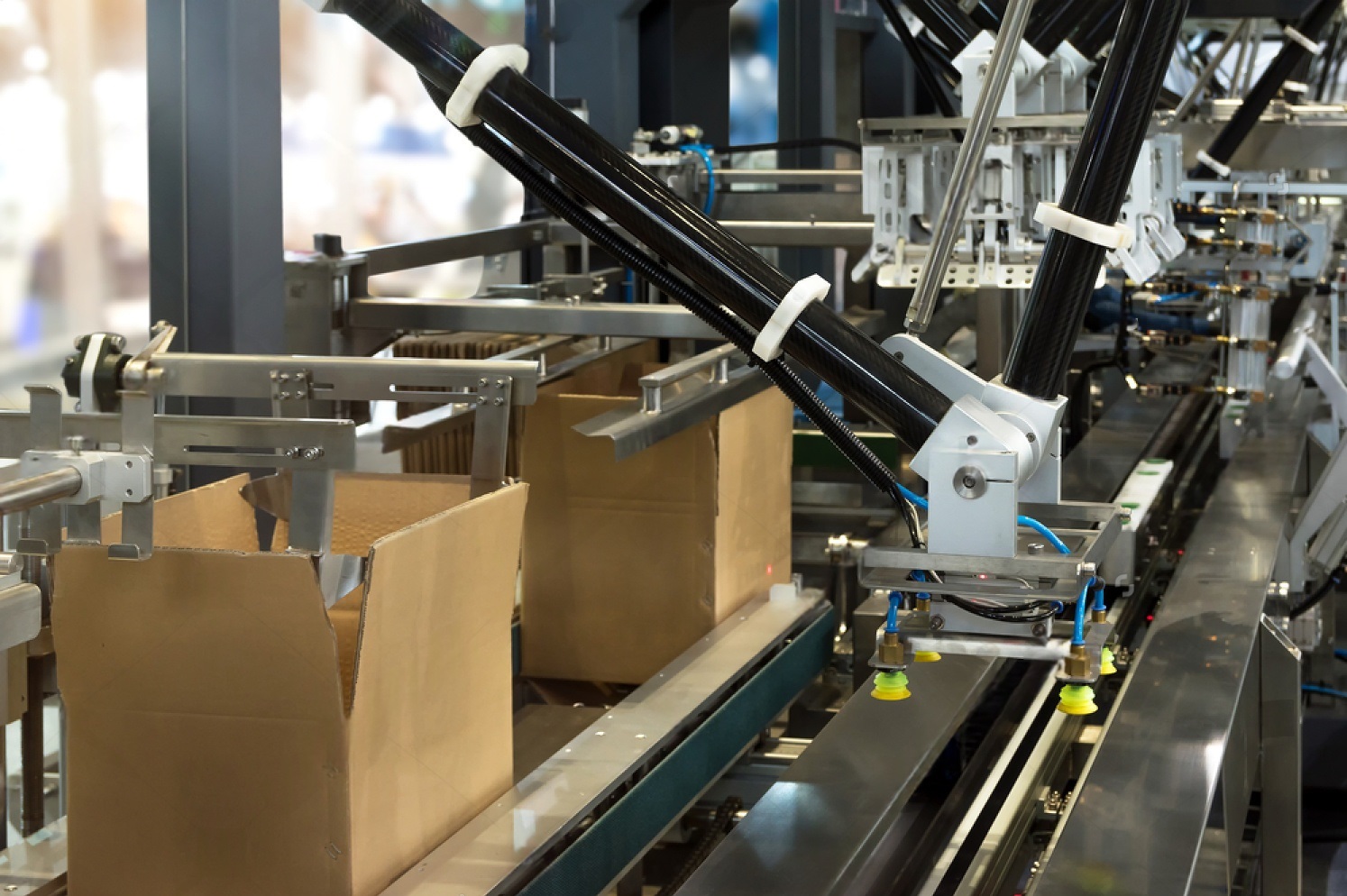
Case Packer System

Automatically loads products into cartons with precision and speed.
Speed: Up to 30 cartons/min, depending on product and machine type.
Case Packer System

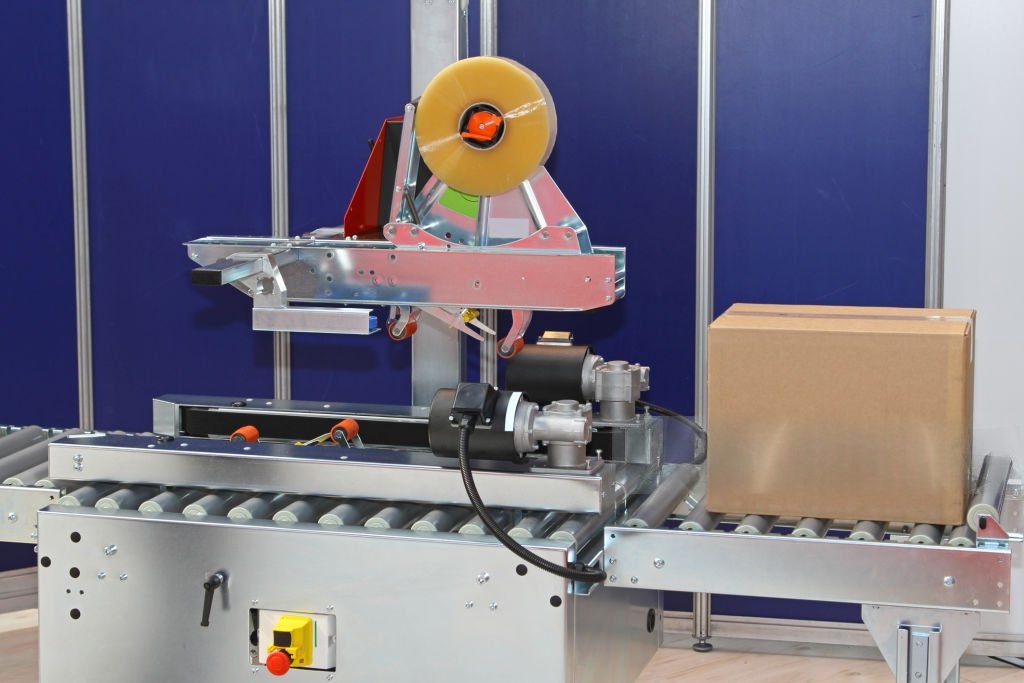
Automatic Carton Sealer

Speed: Up to 11 cartons/min

Carton size: L 250–800 mm | W 200–500 mm | H 120–500 mm

Tape width: 2″ or 3″

Function: Ensures secure sealing, reduces manual labor, and improves safety.

Hình 5. Máy dán thùng tự động - sealer

Automatic Carton Sealer

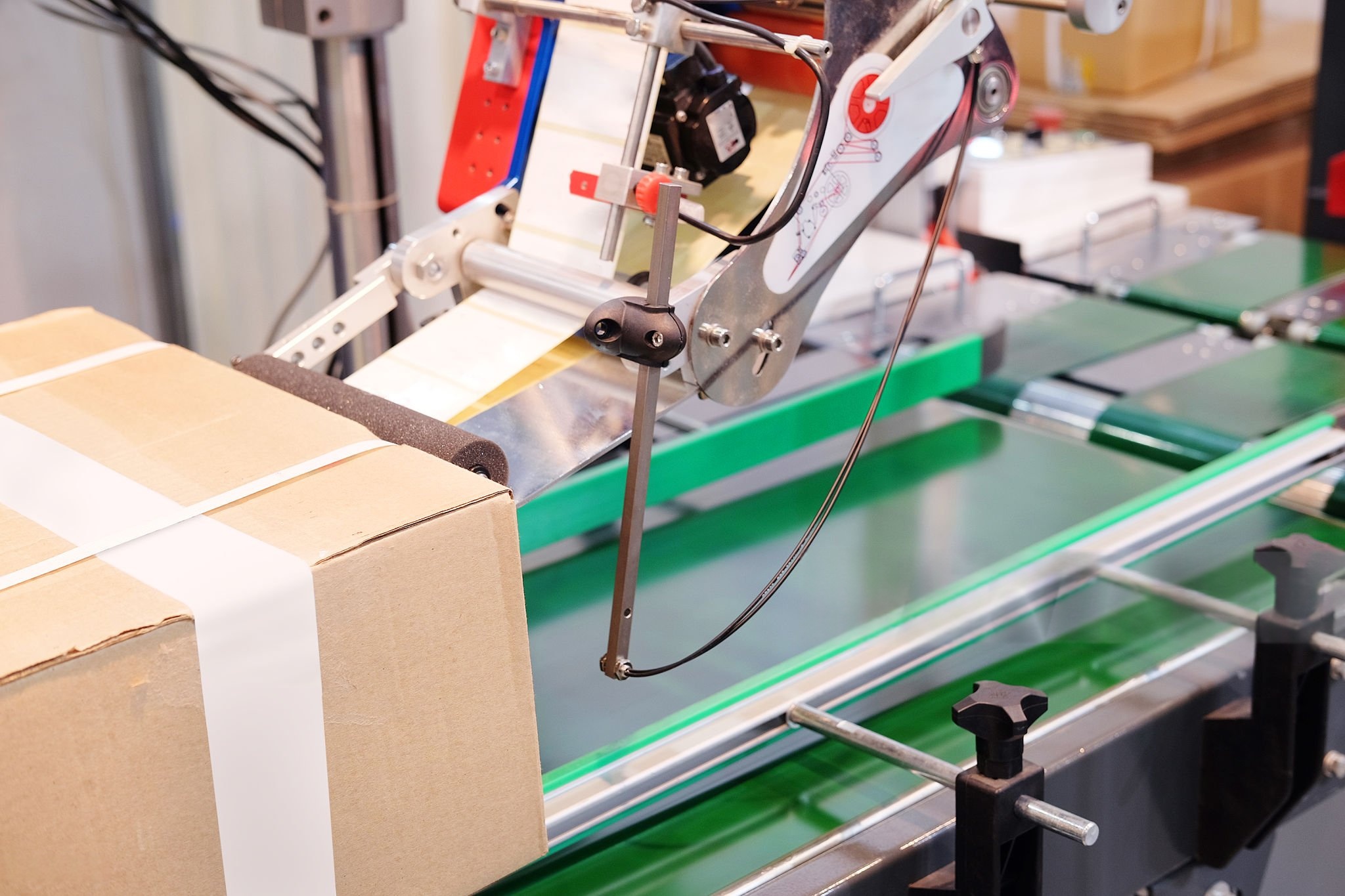
Top-down & Side Labeller: Up to 45 cartons/min
Print & Apply Labeller: Up to 15 cartons/min
Label width: Up to 170 mm
Function: Accurate and fast labeling for various packaging types.
Hình 7. Máy dán nhãn tự động - Labeller

Introduction video

Additional features

Our palletizing solutions integrate with:

  • Conveyor systems, date coding, and automatic labeling
  • Automatic stretch wrapping machines
  • AGV/AMR for pallet transport
  • MES/SCADA for productivity monitoring and data tracking
  • Weight checkers, QR code scanners, and shape inspection systems
Our palletizing solutions integrate with: Conveyor systems, date coding, and automatic labeling Automatic stretch wrapping machines AGV/AMR for pallet transport MES/SCADA for productivity monitoring and data tracking Weight checkers, QR code scanners, and shape inspection systems

FAQs

01
How are End-of-Line (EOL) solutions typically categorized today?
Today, EOL solutions are generally classified into the following main groups:
  • Standalone EOL Machines: Individual EOL machines performing single operations such as case erecting, case sealing, labeling, and checkweighing.
  • Semi-integrated EOL Systems: Multiple EOL processes combined into a single machine cluster or section of the line, offering a medium level of synchronization and automation.
  • Integrated End-of-Line Systems: Fully integrated EOL systems covering case erecting, packing, case sealing, labeling, palletizing, and AGV-based pallet transport, with seamless connectivity to MES/SCADA systems and production data traceability.
02
When should an integrated EOL system be implemented instead of standalone EOL machines?
An Integrated EOL System should be implemented when a company requires:
  • Full synchronization of end-of-line processes such as cartoning, sealing, labeling, and palletizing
  • Significant reduction of manual labor and human error
  • Easy capacity expansion as production volume increases
  • High requirements for traceability, production data collection, and MES/SCADA connectivity
IDEA’s integrated EOL solutions are particularly suitable for medium- to large-scale manufacturing plants with multiple SKUs or continuous production operations.
03
How do EOL solutions handle different packaging formats?
EOL solutions handle multiple packaging formats through flexible changeover mechanisms, including:
  • Quick Change Tooling / Grippers
  • Recipe-based setup via HMI/PLC
  • Modular design, allowing functional modules to be added or replaced
These features enable the system to adapt quickly to different package sizes, formats, and SKUs without compromising operational stability.
04
What factors determine the flexibility of an EOL solution?
The flexibility of an EOL system depends on several key factors:
  • Mechanical design and level of modularity
  • Changeover capability and recipe management on PLC/HMI
  • Control systems, sensors, and vision systems for multi-SKU recognition
  • Degree of robot integration (robotization level)
These factors define the system’s ability to handle product and packaging variability as well as future scalability.
05
Do EOL solutions support product traceability?
Yes. IDEA’s EOL solutions support traceability through:
  • Data acquisition from labeling machines, date coding, and QR codes
  • Weight and dimensional inspection systems
  • Integration with MES/SCADA for production data storage and retrieval
This enables manufacturers to effectively control quality, trace production batches, and support audits and shipment verification.
06
How does the EOL system ensure sealing quality?
EOL systems ensure carton sealing quality through:
  • Automatic case sealers with consistent sealing force and tape positioning
  • Infeed carton size control
  • Sensors and post-sealing shape inspection
  • Optional tape or hot-melt adhesive sealing
These measures ensure cartons are securely sealed, minimizing carton opening and damage during transportation.
07
How do EOL solutions improve production line stability and continuity?
EOL solutions optimize end-of-line operations by synchronizing processes such as case erecting, labeling, packing, and palletizing.
The integration of automated equipment and quality inspection systems reduces errors and technical failures, ensuring continuous, stable, and interruption-free line operation.
08
What factors influence equipment selection in an EOL system?
Equipment selection in an EOL system depends on multiple factors, including packaging type, production speed, desired automation level, and integration capability with manufacturing execution systems (MES/SCADA).
Additionally, available factory space and traceability requirements are critical considerations to ensure efficient and flexible system performance.
09
Are EOL solutions scalable for future expansion?
Yes. Modern EOL systems are typically designed with a flexible architecture, allowing additional processes, robots, or inspection equipment to be added as demand grows.
This enables manufacturers to scale production without replacing the entire line.
10
Is operation and maintenance of an EOL system complex?
No, it is not complex.
Operation and maintenance of EOL systems are optimized through advanced design and technology:
  • User-friendly HMI interfaces simplify operation and reduce operator errors
  • Modular design enables fast replacement or upgrading of functional modules
  • Alarm systems and predictive maintenance support early fault detection and reduced downtime
  • Comprehensive technical documentation and training help operators quickly adapt to the system
As a result, operating and maintaining modern EOL systems—especially IDEA’s solutions—is significantly simpler and more efficient compared to traditional setups.